Why Service Providers Need Faster, Smarter Websites in 2026
Key Takeaways
- Mobile-first design is essential for maintaining search visibility and reaching users on their preferred devices.
- Artificial intelligence enables personalized experiences that adapt to individual visitor needs in real time.
- Website performance directly influences engagement, with speed being a primary driver of conversion rates.
- Functional portals streamline back-end processes, improving transparency and client satisfaction through automated service management.
- Partnering with a professional website development company ensures that digital infrastructure scales alongside business requirements.
The evolving expectations of modern digital consumers
Digital consumers now demand seamless, high-speed experiences regardless of their location or device. As search algorithms prioritize efficiency, service providers must ensure their platforms align with current user behaviors to remain competitive.
The impact of mobile-first indexing on search rankings
Search engines now use mobile-first indexing to determine search rankings, meaning the mobile version of your site is the primary reference. Neglecting mobile responsiveness effectively disqualifies your content from reaching high-intent searchers. By prioritizing mobile-first design and clean layout structures, businesses ensure that mobile users enjoy the same depth of information as desktop visitors without sacrificing load times or accessibility.
User attention spans and bounce rate correlation
User focus remains fragmented in an era defined by constant information flow. If a page fails to load or provide immediate value within a few seconds, visitors will instinctively navigate away. Optimizing website performance for rapid interaction is critical to reducing these bounce rates, as users expect a frictionless journey from the initial click to the final content interaction.
Building brand authority through professional digital presentation
Your website serves as the primary touchpoint for building trust before a consumer ever speaks to your team. A professional digital presence signals reliability and competence, whereas dated design features often lead to doubt. By utilizing a clean visual hierarchy, coherent typography, and intuitive guidance, companies successfully bridge the gap between initial discovery and lasting brand loyalty.
Leveraging artificial intelligence for personalized user experiences

Advanced tools now allow platforms to recognize specific visitor needs without manual input. By integrating these systems, brands provide helpful, tailored information while reducing the technical load on their internal teams.
Implementing AI-driven chatbots for instant client support
Modern clients expect immediate answers, even outside of traditional business hours. These AI-driven chatbots manage basic inquiries and route complex issues to human representatives as necessary. This automation keeps communication active, demonstrating that the brand respects a customer's time.
Dynamic content delivery based on real-time visitor intent
Smart systems can now adjust site messaging to resonate with a visitor's specific background. By mapping content to user interest, the platform ensures that users see offers and information that align with their goals. This precision encourages deeper exploration of your services, keeping users engaged with the right materials.
Automating lead qualification through smart web forms
Standard contact forms are often clunky and overwhelming to fill out. Advanced logic allows smart web forms to adapt their follow-up questions based on earlier user input, effectively filtering potential leads. Consider how these forms improve your follow-up speed:
- Automatically sort leads by industry interest during form entry.
- Trigger immediate automated email follow-ups based on specific choices.
- Sync lead qualification data directly into your CRM system.
By ensuring that the entry method fits the user's journey, businesses increase the likelihood of capturing accurate information without creating friction at the critical conversion point.
The critical role of site speed in service-based industries
Performance is the invisible engine that drives digital trust. When a platform suffers from slow rendering, it creates a perception of poor service quality that discourages prospective clients from moving forward with a digital investment.
Core Web Vitals and their direct link to conversion rates
Metrics such as Largest Contentful Paint and Cumulative Layout Shift serve as markers for overall site health. High-performing sites that optimize these Core Web Vitals see a measurable increase in time-on-site metrics. This technical accuracy directly facilitates higher interaction rates by removing barriers between the user and the desired service.
Optimizing complex media assets for high-performance rendering
Large images or videos can halt site progress if not properly prepared for browser loading. High-performance rendering depends on the strategic compression, proper scaling, and modern format usage for every asset on the page. We have categorized the technical requirements for different media types below:
| Media Type | Compression Method | Best Format |
|---|---|---|
| Hero Banners | Lossless Smart | WebP |
| Product Demos | Adaptive Encoding | MP4/H.265 |
| Team Profile Images | Automatic Resizing | AVIF |
Properly managing these assets ensures that the visual impact does not negate the user experience by increasing load times significantly.
Caching strategies and CDN integration for global reach
Content delivery networks distribute site data to servers closer to the user to ensure uniform experience regardless of geography. Combining this with intelligent caching strategies minimizes the request lifecycle. This approach provides a global user base with consistent, reliable access to your digital ecosystem.
Integrating functional service portals into your website
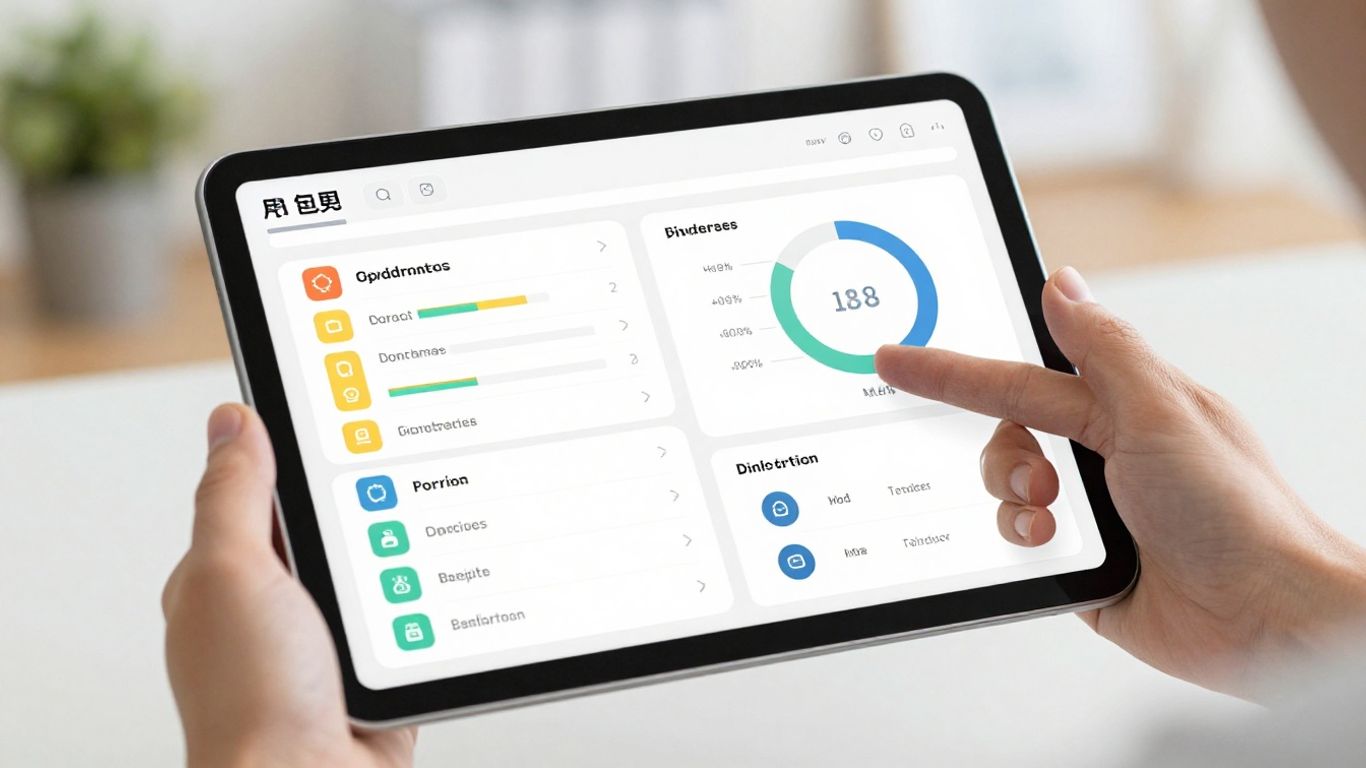
Modern service delivery relies on portals that simplify the interaction between business owners and their clients. These features transform a static site into a functional tool that manages project lifecycles, payments, and schedules effectively.
Features that streamline booking and appointment scheduling
Manual calendar coordination is inefficient for both parties. Integrated scheduling tools offer users a self-service way to secure their appointments, effectively reducing email back-and-forth and preventing double bookings in real-time.
Secure systems for client invoicing and payment processing
Handling financial details requires extreme care regarding privacy and platform security. A centralized payment portal allows clients to manage their invoices securely, fostering confidence in the business's operational maturity.
Custom client dashboards for project progress transparency
Transparency is a key competitive advantage in professional service industries. When clients can log into a personalized dashboard to see work in progress, it minimizes the need for frequent status calls and keeps expectations aligned throughout the contract duration.
Securing your platform against modern digital threats
Digital safety is a foundational aspect of brand identity in the current landscape. Protecting sensitive client data demonstrates professionalism and satisfies the growing demand for digital privacy among professional service clients.
Compliance standards for handling sensitive client data in 2026
Adhering to updated protocols ensures that the business remains aligned with protection regulations. These standards evolve regularly, requiring firms to monitor their internal procedures and external-facing platforms for any compliance gaps.
Proactive malware prevention and regular vulnerability scanning
Reactive security is insufficient for preserving reputation. Implementing daily scans and automated protective measures helps detect potential intrusions before they impact clients or the site's overall functionality.
Importance of implementing robust SSL and encryption protocols
Encrypted data transfer serves as a baseline expectation for any professional site. Implementing these protocols confirms that user communication remains private and verified throughout every interaction.
Partnering with a professional website development company
Choosing a website development company is a significant decision that dictates your digital presence's quality. Strategic partners do more than build a site; they align the final product with long-term business goals.
Differentiating between aesthetic-focused designers and strategic developers
Many agencies focus heavily on visuals while ignoring search intent or performance metrics. A strategic partner balances beautiful design with technical execution, resulting in a site that looks good and works as a conversion tool.
Establishing long-term maintenance and growth roadmaps
Digital sites are living assets that require regular updates to remain effective. A growth-oriented roadmap includes recurring health checks, content refreshes, and updates to the underlaying technology to ensure the site remains competitive as the market evolves.
Scaling digital infrastructure to match business expansion
As business volume fluctuates, the underlying infrastructure must accommodate growth without performance degradation. A professional partner ensures that your backend systems are built with scalability in mind, allowing the platform to adapt smoothly as your needs change over time.
Conclusion
Investing in a fast, smart, and secure digital presence is essential for sustainable growth in 2026. By prioritizing user performance, AI integration, and clear navigation, service providers create a reliable foundation for client acquisition and engagement, allowing for a seamless digital journey that turns visitors into repeat partners.
Frequently Asked Questions
Why is website speed important for professional services?
Speed directly dictates whether a potential client stays to read your information or moves to a competitor after experiencing a delay.
What does mobile-first indexing mean for my existing site?
It means search engines evaluate your site based on the mobile experience, necessitating a perfect implementation on phones to maintain visibility.
Are AI chatbots effective for small service businesses?
Yes, they provide immediate support for common questions, which allows your staff to focus on more complex, high-value client needs.
How often should a website undergo security scanning?
Consistent daily scanning is best practice to identify vulnerabilities and prevent breaches before they affect your site's functionality.
Should I prioritize design or performance when building a new site?
Modern digital standards dictate that you must have both; a beautiful site that performs poorly will fail anyway, as users prioritize their time.
Can a service portal reduce administrative workload?
Yes, by simplifying processes like scheduling and invoicing, these portals allow staff to dedicate more time to core service delivery tasks.
How do I choose the best development partner for my project?
Look for a team that demonstrates a blend of technical expertise, strategic foresight regarding growth, and a clear process for maintenance.


Comments
Post a Comment