How 2026 Service Providers Build Trust Through Better Website Design

Key Takeaways
Digital confidence hinges on a combination of visual consistency, technical performance, and visible proof of security and compliance. By aligning design choices with evolving user expectations, professional entities effectively communicate stability and intent to prospective clients.
- Prioritizing visual clarity to reduce cognitive load on visitors.
- Increasing site speed to improve retention and search visibility.
- Utilizing transparent data practices to build foundational credibility.
- Incorporating social proof to validate service claims effectively.
- Ensuring accessibility to foster inclusive brand experiences.
The psychology of digital trust in 2026
Trust is no longer a static milestone but a dynamic outcome of how a brand interacts with its digital environment. Users in 2026 evaluate credibility based on a blend of aesthetic intentionality and the seamless functionality of the platforms they encounter. Organizations that prioritize clarity and responsiveness consistently outperform those using dated, cluttered, or unreliable interfaces.
Shifting user expectations in the era of AI
Users today anticipate highly personalized and seamless interactions that anticipate their needs before they explicitly search for them. This environment forces brands to move beyond static landing pages and create smarter, intent-driven digital experiences. With custom website design serving as the baseline, businesses are increasingly adopting structures that feel intuitive even when handling complex algorithmic processes in the background.
The role of consistent branding across touchpoints
Maintaining a unified visual identity across every channel is essential for cementing a professional reputation. When a user transitions from a mobile ad to a desktop landing page, the experience must feel cohesive and familiar. This consistency assures clients that the brand is disciplined, organized, and focused on maintaining high standards regardless of the medium.
Why first impressions dictate long-term client acquisition
Clients make split-second decisions about a brand's value based entirely on their initial visit. A slow, unresponsive, or confusing interface is often interpreted as an indicator of poor service quality, which can permanently drive prospects toward competitors. Capturing attention requires a balance of aesthetic appeal and clear evidence of competence that demonstrates an understanding of the client's specific business challenges.
Visual hierarchy as a credibility signal
Effective design goes beyond mere decoration by directing the user's attention precisely where it needs to go to build trust. Strategic structural choices allow a brand to emphasize key value propositions without overwhelming the visitor, facilitating a more logical and satisfying user journey. When users encounter a layout that respects their time, they are significantly more likely to engage with the core services offered.

Managing whitespace to foster cognitive ease
Implementing generous whitespace prevents information overload and ensures that prime conversion elements receive the necessary attention. This approach allows users to mentally process information in chunks, preventing fatigue. The following table illustrates how specific layout elements function to improve user retention within modern interface designs:
| Element | Purpose | Impact on Trust |
|---|---|---|
| Whitespace | Reduces clutter | Enhances focus on high-value calls |
| Contrast | Highlights actions | Improves task completion rates |
| Micro-interactions | Provides feedback | Signals responsive and active support |
By systematically stripping away non-essential distractions, companies create a cleaner environment that feels more reliable and focused, which is a hallmark of Appnovation and other professional digital service providers.
Using typography to establish professional authority
Typefaces act as the voice of the brand, influencing how visitors perceive both professionalism and accessibility. Choosing bold, readable font hierarchies ensures that even the most dense technical information remains understandable, establishing an image of approachable expertise. Consistent application of these styles across heading levels and paragraphs creates an orderly, well-managed feel that reinforces the overall quality of the site.
Strategic placement of trust-centric conversion elements
Positioning social signals naturally throughout the flow of the page is far more effective than forcing users to find them in hidden sections. By embedding these elements where they occur organically during the user journey, companies can nudge visitors toward conversion more effectively. Successful implementation typically involves the following strategies:
- Placing client testimonials adjacent to service descriptions for context.
- Locating trust-building certifications near core call-to-action buttons.
- Integrating short, impactful project highlights above the footer area.
- Utilizing unobtrusive pop-ups for late-stage engagement validation.
These placements act as low-friction nudges that remind visitors of the brand's track record without disrupting their current reading flow.
How a website development company leverages performance for reliability
Performance is the invisible engine that maintains visitor confidence during every interaction. A website development company that prioritizes speed effectively signals that it treats the user's time as a valuable resource rather than an afterthought. Rapid-loading, stable sites demonstrate technical excellence and project an image of a company that is prepared for growth.
Prioritizing Core Web Vitals for user stability
Core Web Vitals provide a standardized benchmark that, when met, ensures the site avoids layout shifts and sudden pauses. Users perceive these stable elements as a sign of institutional competence and backend maturity. When a site loads with consistent stability, it builds an intrinsic sense of safety and predictability that is difficult to replicate with inferior technical stacks.
Optimizing load times to reduce bounce rates
The speed with which a user accesses your content remains the most significant predictor of their willingness to remain on your site. Long load times are frequently associated with poor architecture, which can cause visitors to doubt the organization's ability to manage complex data or deliver professional services. Streamlining assets allows businesses to present a sleek, high-performing SEO-friendly design that maintains user attention.
Maintaining consistency across diverse mobile frameworks
Ensuring that the brand experience remains identical regardless of the target device is crucial for modern outreach. Discrepancies between desktop and mobile versions can break trust just as quickly as a slow load time. A disciplined approach to responsive frameworks ensures that the promise of service excellence is delivered faithfully to every platform user.
Integrating transparent social proof and client data
Transparency regarding past successes and existing metrics creates a tangible bridge between a company's claims and the reality of the client experience. Rather than relying on generic statements, businesses are increasingly sharing data that proves their impact. This shift toward verifiable information helps potential leads feel more confident as they navigate the research phase of their selection process.
Evolving the presentation of interactive testimonials
Static lists of quotes are being replaced by dynamic, multimedia-rich testimonials that feel more personal and human. By allowing prospective clients to see the faces and stories behind previous successes, companies build a narrative that feels authentic. These modern components provide a level of intimacy and accountability that traditional testimonials simply cannot match.
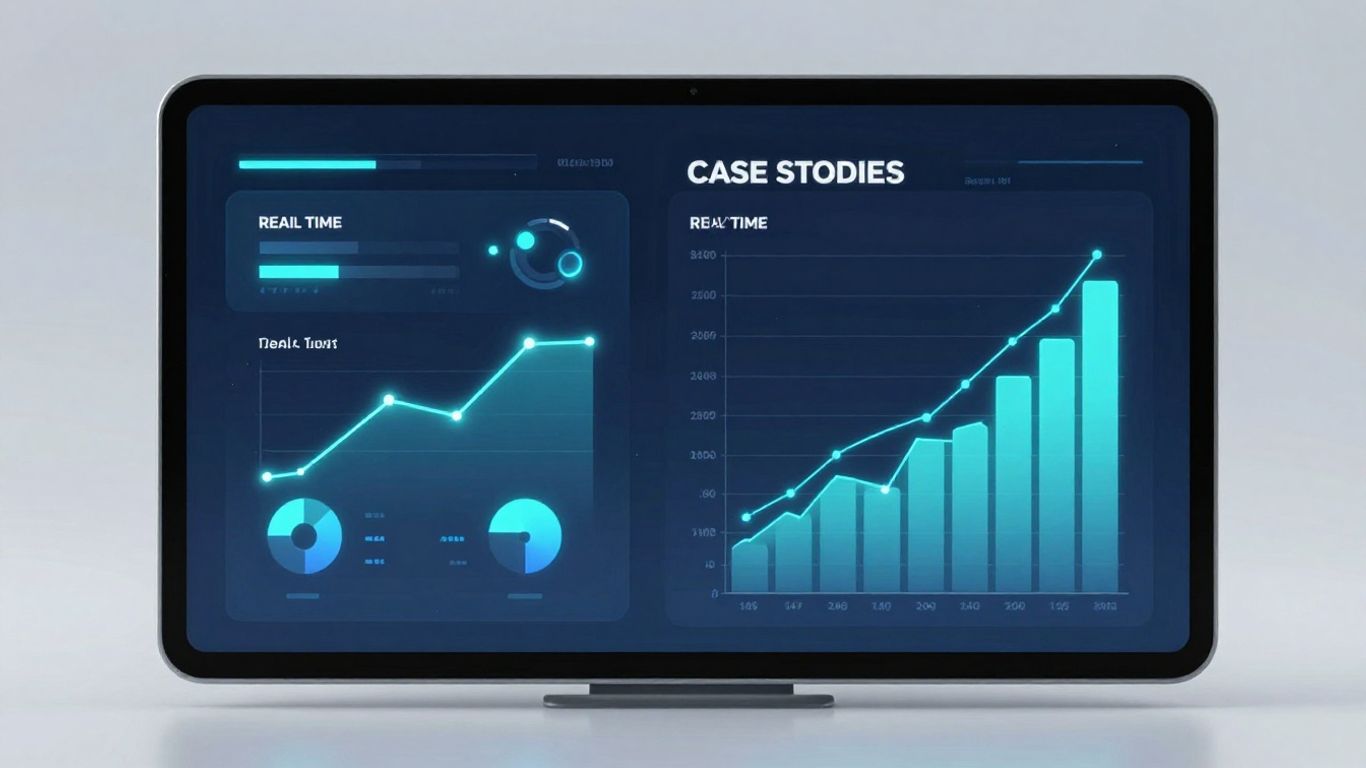
Showcasing real-time project metrics and successful case studies
Quantifiable project results allow potential clients to assess the brand's effectiveness with objective data. Highlighting clear metrics, such as traffic growth or conversion improvements, gives stakeholders a concrete expectation of the value they might receive. This focus on clear results is a key component of quality SEO services provided by firms that prefer data-backed growth.
Utilizing third-party verifications and industry certifications
Displaying badges from recognized authorities serves as a form of shorthand for legitimacy in the industry. These indicators offer external confirmation that the firm maintains high operational and quality standards, which is vital for building trust in competitive, fast-paced markets. By linking these markers to verified pages, companies encourage visitors to research their credentials without leaving the flow of the experience.
Advanced security indicators and compliance standards
Security has naturally risen to the top of user concerns, with privacy-conscious visitors looking for explicit signs that their data is protected. By incorporating these safety markers into the design of the interface, companies provide a sense of comfort that encourages deeper engagement. This is not just a regulatory hurdle; it is a critical branding opportunity that showcases institutional integrity.
Communicating data privacy protocols through interface design
Designers can use visual cues to signal that data handling is transparent and user-centric without relying on lengthy, cumbersome legalese. Small, thoughtful additions like privacy-first form labels or clear links to policy summaries explain how information is used right at the point of data entry. These subtle touches prove that the brand treats consumer security as a priority rather than an accidental byproduct of web infrastructure.
Building brand trust via transparent cookie management
How a company handles cookies creates a definitive early impression of their brand's ethical standing. Providing clear, easy-to-understand controls allows users to manage their experience independently, which significantly increases their comfort level. A transparent, non-intrusive consent notice is far more effective at building long-term trust than a modal that tries to hide its actual function.
Implementing recognized cybersecurity visual seals
Including industry-standard security badges acts as a quick-reference guide for the visitor that they are in safe territory. These seals provide instant verification that the brand follows necessary technical precautions to protect customer traffic. Properly placing these icons—often in the footer or near checkout modules—can drastically lower apprehension for new prospects.
Future-proofing the user experience through accessibility
Accessibility is no longer a niche requirement but a fundamental aspect of high-quality design that reflects inclusive brand values. By ensuring that every user, regardless of their physical abilities, can navigate the platform effectively, companies demonstrate a broad commitment to service and quality. This focus ensures the brand remains relevant as standards and technology continue to shift.
Embracing inclusive design as a core brand value
Inclusive design is an expression of the organization's commitment to serving as many people as possible, which is a major signal of professional capability. A site designed with universal usability in mind often features better logic, simpler navigation, and higher-quality code structure. This is often the differentiator that makes a partner stand out in a competitive, crowded digital landscape.
Preparing interfaces for emerging conversational AI integrations
As chatbots and AI interactions become more common, the structure of the website must be adapted to support more than just click-and-scroll navigation. Organizing content in machine-readable ways makes it easier for these systems to extract the right information, ensuring a better experience for the user. Future-proofing means designing for voice search, screen reader compatibility, and flexible interface logic today.
Adapting navigation to meet evolving accessibility guidelines
Staying ahead of standard accessibility updates ensures the brand avoids future legal headaches while maintaining constant, open channels to their audience. Responsive navigation is not only about layout but about clarity, sequence, and keyboard interaction. When businesses treat these guidelines as a creative challenge rather than a checklist, they often arrive at more innovative solutions that help all users, not just those with accessibility needs.
Conclusion
Building trust through website design in 2026 relies on a synergy of performance, security, and inclusive user experience that communicates deep respect for the visitor. When every element—from the speed of a page load to the placement of a trust seal—aligns with the visitor's needs, an organization creates the necessary foundation for lasting client relationships. By focusing on these core pillars, service providers ensure their digital assets remain both credible and influential.
Frequently Asked Questions
Why is visual hierarchy critical for gaining user trust?
It helps users process the most important information first, creating a sense of order and competence that makes them feel safer navigating the brand's offerings.
How does website speed influence client acquisition?
Slow load times often signal poor institutional quality or a lack of modernization, which causes potential clients to exit the site and look for competitors who demonstrate better technical performance.
What are the most important elements for a secure website interface?
Visible data privacy protections, clearly managed cookie consent, and standard cybersecurity certification badges are essential for reassuring visitors that their interactions are safe.
Why should accessibility be considered a core brand value?
It demonstrates that a company cares about inclusivity and broad service capability, which builds significant reputation and trust while ensuring compliance with modern digital standards.
What role does consistent branding play in professional trust?
Consistency ensures that users feel they are dealing with the same stable, trustworthy organization regardless of which page or touchpoint they happen to visit during their journey.
How can a business showcase real-time proof of success?
Integrating actual case studies, clear performance metrics, and interactive client testimonials provides credible, objective evidence that the company delivers on its promises.
How can websites prepare for emerging conversational AI navigation?
By ensuring site content is well-structured and semantically clear, businesses can make it easier for conversational interfaces to accurately relay information and assist users effectively.


Comments
Post a Comment