Best Custom Website Design Features Businesses Need in 2026
To stay competitive in 2026, your business website needs specific features. These are the must-haves that will help you connect with customers and drive results. Website marketing experts agree these elements are key.
Key Takeaways
- Prioritize mobile-first design because most people browse on their phones.
- Ensure your website is fast and performs well; slow sites lose visitors quickly.
- Build trust with testimonials, security badges, and social proof to make customers feel safe.
- Make your website accessible to everyone, including people with disabilities.
- Use AI tools for personalization to give visitors a unique and relevant experience.
1. Mobile-First Designs
Back in the day, we used to design websites for desktops and then try to make them fit onto smaller screens. That approach just doesn't cut it anymore. Today, you absolutely have to think about mobile users first. It's not just a suggestion; it's how most people browse the internet. Global mobile traffic is huge, making up a big chunk of all internet use. If your site isn't built with phones and tablets in mind from the start, you're going to have a bad time.
What does mobile-first actually mean? It means prioritizing what's most important for someone using a small screen. This usually involves:
- Keeping navigation simple and easy to tap.
- Making sure text is readable without zooming.
- Optimizing images so they load fast.
- Ensuring buttons and links are spaced out enough to avoid accidental clicks.
When you design this way, you're not just making things look good on a phone; you're also making sure your site performs well. Slow loading times are a major turn-off. Did you know that over half of people will leave a site if it takes more than three seconds to load? That's a lot of lost potential customers. Focusing on mobile means you're already thinking about speed and efficiency, which helps with search engine rankings too. It's a win-win.
Building a website with a mobile-first mindset means you're thinking about the user's experience on their primary device. This approach naturally leads to cleaner code, faster load times, and a more focused content strategy, all of which benefit every visitor, regardless of how they access your site.
Think about it: if your site is clunky on a phone, people will just go somewhere else. They have tons of options right at their fingertips. Making sure your site works perfectly on a mobile device is key to keeping visitors engaged and turning them into customers. It's about creating a smooth experience from the very first tap. You can find some great examples of how to do this by looking at how to make a website that prioritizes user experience.
2. Custom WordPress Design
When you need a website that does exactly what you want it to do, custom WordPress design is often the go-to. It’s been around forever, and for good reason. WordPress powers a huge chunk of the internet, and that’s because it’s super flexible. You can build pretty much anything with it, from a simple blog to a complex online store or a membership site.
Think of WordPress like a really sturdy, adaptable building block. You start with the core software, which is free, and then you add on all the pieces you need. This means you can find plugins for almost any function you can imagine – booking systems, advanced contact forms, special galleries, you name it. Plus, there are thousands of themes to change how your site looks, and you can tweak those too.
This level of control means your website can be perfectly tailored to your business needs and brand.
Here’s a quick look at why it’s still a top choice:
- Unmatched Flexibility: Adapt your site as your business grows or changes. Need a new feature? There’s likely a plugin for it.
- Scalability: Whether you’re a small startup or a growing enterprise, WordPress can handle it. It’s built to scale.
- Ownership and Control: You own your data and your site’s infrastructure, which is great for long-term digital strategy.
- Vast Plugin Ecosystem: Extend functionality without needing custom code for every little thing.
Of course, all this power means it’s not always the simplest option. You’ll need to think about hosting, security, and updates. For many businesses, hiring a developer or agency to build and manage a custom WordPress site is the best way to get the most out of it without the headaches.
While the WordPress software itself is free, the costs can add up with hosting, premium themes, and specialized plugins. It’s important to budget for these ongoing expenses to keep your site running smoothly and securely.
3. Website Builders Like Wix And Squarespace
When you're starting out or just need a website up and running without a huge budget or a team of developers, website builders like Wix and Squarespace are often the first things people think of. They've gotten really good over the years, offering a way for pretty much anyone to get a professional-looking site online. These platforms are designed for ease of use, letting you build a site without needing to know how to code.
Wix, for example, has a drag-and-drop editor that's pretty straightforward. They also have something called Wix ADI, which uses AI to help set up a basic design based on your answers to a few questions. It's a neat way to get a starting point and then tweak it to your liking. Wix comes with a bunch of built-in tools for things like marketing, scheduling appointments, and even basic CRM functions, which is handy for small businesses that are just getting their feet wet with online sales or bookings.
Squarespace, on the other hand, is known for its really polished templates. If you care a lot about how your site looks and want a consistent brand image, Squarespace is a strong contender. Their templates are designed with good spacing and visual flow in mind, making them great for service-based businesses or anyone who needs to showcase a portfolio. While Squarespace might feel a bit more structured than Wix, it also makes it easier to maintain a cohesive look across your entire site without much fuss.
Here's a quick look at what they generally offer:
- Ease of Use: Drag-and-drop interfaces or AI-assisted design make building simple.
- Templates: A wide variety of pre-designed layouts to choose from.
- Integrated Tools: Features for e-commerce, blogging, scheduling, and basic marketing are often included.
- Cost-Effectiveness: Generally more affordable than custom development, with free or low-cost plans available.
While these builders are fantastic for getting online quickly and affordably, they do have limitations. If you need very specific functionality or advanced customization that goes beyond what their built-in tools and app markets offer, you might eventually hit a wall. It's like buying a pre-fab house – it's great for moving in fast, but making major structural changes can be tricky.
4. Shopify For E-Commerce
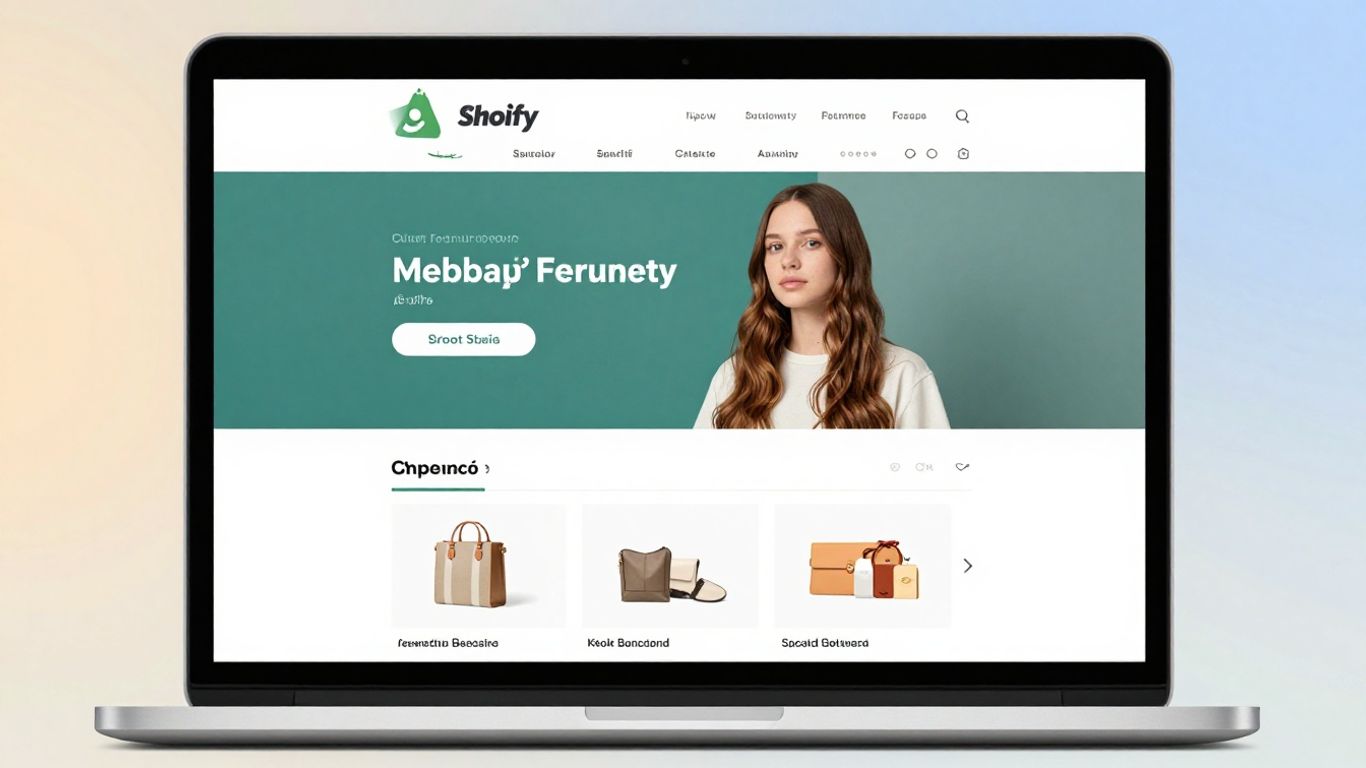
If your business is all about selling products online, then Shopify is pretty much the go-to platform. It was built from the ground up specifically for online stores, especially those expecting to move a lot of inventory. Think of it as a specialized tool for serious online sellers.
Shopify handles all the nitty-gritty stuff that comes with e-commerce. This includes things like managing your product listings, processing payments securely, figuring out taxes, and even automating shipping. It’s designed to make selling online as smooth as possible, even if you have a huge number of items.
Here’s a quick look at what makes it stand out:
- User-Friendly Interface: Even though it’s powerful, it’s still pretty easy to use, especially for product-based businesses.
- Vast App Store: Need a special feature? There’s probably an app for that. This lets you add all sorts of extra functionality to your store.
- Scalability: Whether you’re just starting out or you’re a big operation, Shopify can grow with you.
- Built-in Features: Things like abandoned cart recovery and customizable email notifications are included, which can really help boost sales.
- Shop Pay: This feature lets customers save their payment info, making checkout super fast on any Shopify store.
For businesses whose main income comes from selling physical or digital products, Shopify is a really strong choice.
However, it’s not the best fit for everyone. If you’re a service-based business, a coach, or a freelancer, you might find it a bit clunky. The tools for things like blogging or creating non-product pages aren’t as flexible as you might want. Plus, the costs can add up quickly with transaction fees and extra apps.
While Shopify is fantastic for online stores, it's important to remember that its core strength lies in commerce. If your business model doesn't heavily rely on product sales, you might find other platforms better suited for your needs, especially when it comes to content creation or service-based features.
5. All-In-One CRM Website Platforms
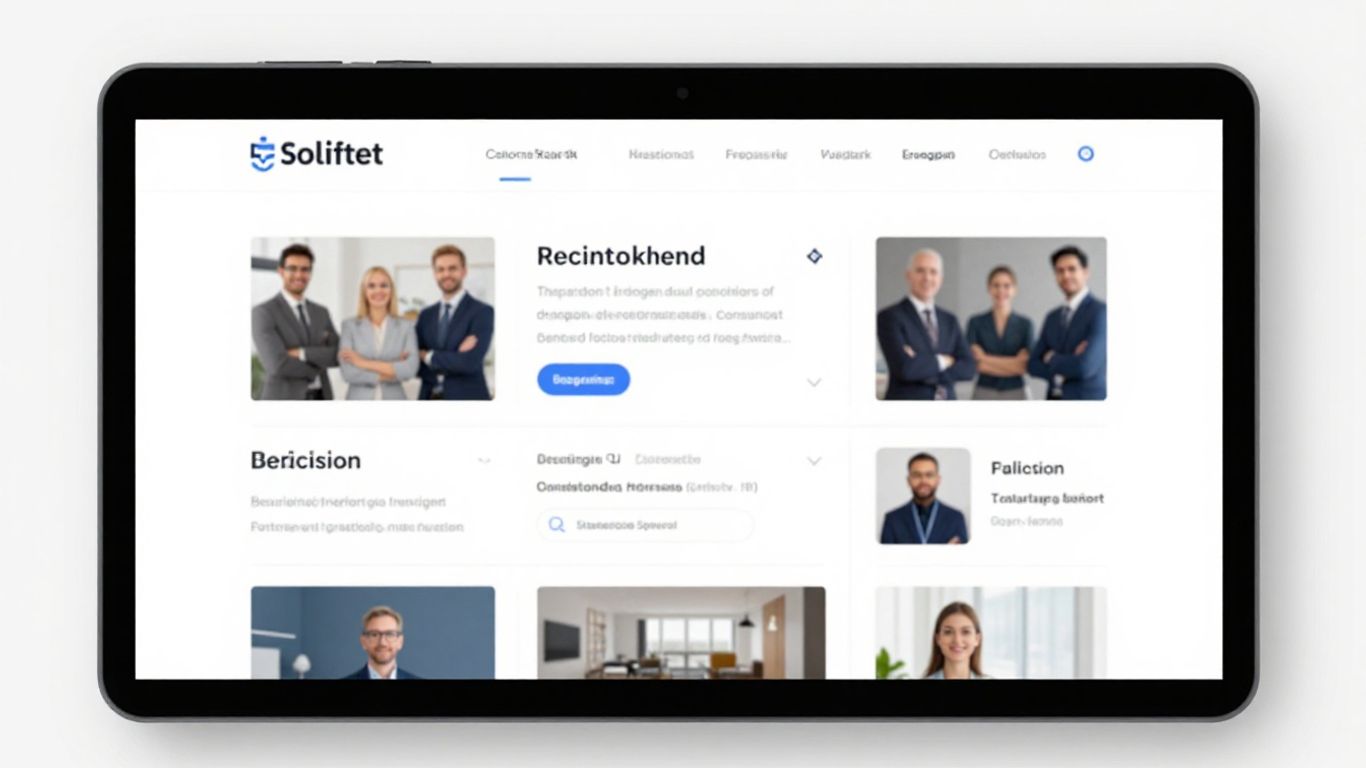
For businesses that really focus on getting and keeping customers, an all-in-one CRM website platform might be the way to go. Think of it as your website and your customer management system having a baby. These platforms don't just give you a place to show off what you do; they actively help you manage leads, send out emails, book appointments, and track customer interactions, all from one spot.
This integration means less jumping between different tools and more time focusing on your clients. It's particularly useful for service-based businesses like consultants, coaches, or agencies that have a constant flow of potential and existing clients.
Here’s what you typically get:
- Website Builder: Create your online presence.
- CRM: Track leads, manage contacts, and view customer history.
- Marketing Tools: Email campaigns, SMS messaging, and social media posting.
- Sales Funnels: Guide prospects through the buying process.
- Appointment Scheduling: Let clients book time with you directly.
- Analytics: See how your website and marketing efforts are performing.
While these platforms can be incredibly powerful for streamlining operations, they might be more than what a simple retail shop needs. If your main goal is selling products online, a dedicated e-commerce platform might still be a better fit. But if nurturing relationships and managing client journeys is key, these integrated systems are worth a serious look. They help automate a lot of the busywork, letting you concentrate on growing your business. You can find platforms that help automate tasks like generating website layouts and managing customer data, all within a single dashboard.
6. AI-Enhanced Website Design Tools
AI is no longer just a fancy word; it's becoming a real part of how we build websites. In 2026, websites that use AI to tailor experiences for each visitor will stand out. Instead of everyone seeing the same thing, AI can look at what someone is doing on your site right now and change the layout, content, and even images to fit what they seem to like.
This means visitors get a more personal journey. Think about product suggestions that actually match what you've bought before, or seeing content that's most relevant to your browsing history. It makes every click feel more personal and can really boost how much people engage with your site.
Here’s how AI is changing website design:
- Smarter Chatbots: They're not just answering basic questions anymore. AI chatbots can handle more complex tasks and even guess what you might need next.
- Voice Navigation: Talking to your website is becoming more common. It's great for accessibility and lets you control site features or chat with bots just by speaking.
- Personalized Forms: Forms can now learn about visitors over time. Instead of asking for everything at once, AI can adjust questions and recommendations based on how someone interacts with your site.
The best website designs in 2026 will incorporate AI to create adaptive experiences. While AI-only website builders are still new and might have issues with things like SEO, many existing platforms now have AI features built-in. These tools can help with things like content creation and improving site performance. For businesses looking to get found online, focusing on solid SEO strategies is still key, even with AI advancements.
AI tools can help make websites feel more intuitive and user-friendly. They can automate repetitive tasks, suggest design improvements, and even help generate content. This frees up designers and business owners to focus on the bigger picture and strategy.
7. Accessibility For All
Making your website accessible isn't just a nice-to-have anymore; it's a must-have for businesses in 2026. Think about it – you want everyone to be able to use your site, right? That means people with disabilities should have just as easy a time browsing your pages as anyone else. This isn't just about being nice; it's about reaching more people and showing you care.
So, what does this actually look like? It means building your site with features that help everyone out. Here are a few key things to consider:
- Keyboard Navigation: Can someone navigate your entire site using just their keyboard? This is a big one for people who can't use a mouse.
- Screen Reader Compatibility: If your site has images or complex layouts, make sure screen readers can describe them properly. This usually involves adding alt text to images and structuring your content logically.
- Clear Contrast: Using colors that are easy to see is important. High contrast between text and background helps people with visual impairments.
- Captions and Transcripts: For any videos or audio content, providing captions or transcripts makes them usable for a wider audience.
Building accessibility in from the start saves a lot of headaches later on. It's much easier to design with these principles in mind than to try and fix them after the fact. Plus, search engines tend to like well-structured, accessible sites too.
When you're looking at design options or talking to developers, always ask about accessibility. It's a sign of a well-built, modern website that truly serves all its visitors.
8. Speed And Performance
In 2026, nobody has time to wait around for a website to load. Seriously, if your site takes more than a few seconds, people are just going to click away. It’s that simple. Google even pays attention to how fast your pages load, so a speedy site helps you show up higher in search results.
A slow website is a lost opportunity, plain and simple.
So, what actually makes a website fast? It’s a mix of things:
- Image Optimization: Big, uncompressed images are a major drag. Using formats like WebP and making sure they're sized correctly makes a huge difference.
- Code Efficiency: Clean, well-written code loads faster. This means avoiding unnecessary scripts and making sure your website's foundation is solid.
- Server Location: Using a Content Delivery Network (CDN) means your website's files are stored on servers all over the world. When someone visits your site, they get the files from the server closest to them, which speeds things up a lot.
- Caching: This is like giving your website a short-term memory. It stores parts of your site so they don't have to be reloaded every single time someone visits.
Think about it like this:
Imagine walking into a store. If the doors are stuck, the aisles are cluttered, and it takes ages to find what you need, you're probably going to leave and go somewhere else. Your website is the same way. It needs to be easy to get into and quick to get around.
Tools like Framer are known for their fast loading times right out of the box, which is a big plus. While some builders like Squarespace might have a reputation for being a bit slower, the impact is often minimal unless the slowness is really noticeable to the user. The key is to test your site regularly and make improvements where needed.
9. Trust Signals And Social Proof
In 2026, building trust online isn't just a nice-to-have; it's a must-have. People are more cautious than ever about where they spend their time and money. That's where trust signals and social proof come in. They're like the digital handshake that tells visitors, "Hey, we're legit, and other people like us."
Think about it: when you're looking for a new restaurant, do you check the reviews? Of course, you do. Websites need that same kind of validation. Here are some ways to build that confidence:
- Customer Testimonials: Real quotes from happy customers go a long way. Make sure they're specific and mention the benefits they received.
- Case Studies: For businesses, showing how you've solved problems for others with detailed examples is super effective.
- Trust Badges: Think security seals (like SSL certificates), industry awards, or partnerships with well-known brands.
- User-Generated Content: Displaying photos or videos from customers using your product or service adds an authentic touch.
- Social Media Integration: Showing active social media profiles and follower counts can signal a lively, engaged community.
People are bombarded with information online. When they land on your site, they're making a quick judgment. If they don't see clear signs that you're reliable and that others have had good experiences, they'll likely click away. It's about making them feel secure and confident in their decision to engage with you.
Displaying these elements prominently, especially on product pages or during the checkout process, can significantly reduce hesitation and boost conversion rates. It’s not just about looking good; it’s about demonstrating real-world value and reliability.
10. AI-Powered Personalization
Okay, so we've talked about a lot of cool stuff for websites in 2026, but this one? This is where things get really interesting. AI-powered personalization isn't just a fancy term anymore; it's about making your website feel like it knows each visitor personally. Forget showing everyone the same generic page. Instead, imagine your site changing on the fly, showing different products, images, or even whole sections based on what a visitor has looked at before or how they're interacting right now.
Think about it: a visitor who always buys running shoes sees the latest athletic gear front and center. Someone browsing for casual wear gets shown comfortable hoodies and jeans. It’s like having a super-smart salesperson for every single person who lands on your site.
Here’s how it works in practice:
- Tailored Content: Displaying blog posts or articles that match a user's past reading habits.
- Product Recommendations: Suggesting items based on previous purchases or viewed products.
- Dynamic Layouts: Rearranging website sections to highlight what's most relevant to that specific visitor.
- Personalized Offers: Showing special discounts or promotions that align with a user's interests.
This level of customization makes people feel understood and valued. It cuts down on the time they spend searching and makes their experience smoother, which usually means they stick around longer and are more likely to do what you want them to do, whether that's buying something or signing up for a newsletter.
It might sound complicated, but many website platforms are starting to build these AI features right in. So, while it's a big step up from static websites, it's becoming more accessible for businesses of all sizes. The goal is to make every visit feel unique and helpful, boosting engagement and making your website a place people actually want to return to.
AI can make your website feel special for every visitor. Imagine showing people exactly what they're looking for, like a personal shopper for your online store. This smart tech helps us understand what your customers want, so we can create a website that truly connects with them. Want to see how this can boost your business? Visit our website to learn more!
Conclusion
So, in 2026, your website needs to be more than just a pretty face. It has to work hard for you. Think mobile-first, super-fast, and easy for everyone to use. Whether you build it yourself with a builder, go custom with WordPress, or use a platform like Shopify for selling stuff, make sure it's built to impress and convert. Don't forget the trust signals and personalization – they make a big difference. By focusing on these key features, you'll create a website that not only looks good but also helps your business grow. It's all about making a great first impression and keeping visitors happy so they stick around and become customers. Your website is your digital storefront, so make it count!
Frequently Asked Questions
Why is a mobile-friendly website so important now?
Most people use their phones to look at websites these days. If your site doesn't look good or work well on a phone, people will just leave and go somewhere else. It’s like having a shop with a broken door – nobody wants to go in.
What's the difference between a custom WordPress site and a website builder like Wix?
A custom WordPress site is like building a house from scratch; you can design it exactly how you want, but it takes more time and often needs a builder. Wix or Squarespace are more like using a pre-fab kit; you can put something together quickly and easily, but you have less freedom to change things later.
How can I make my website seem trustworthy to visitors?
You can add things like reviews from happy customers, trust badges that show your site is secure, and links to your social media pages. These little signs tell people that your business is real and reliable.
What does 'website accessibility' mean for my business?
It means making sure your website can be used by everyone, including people who might have trouble seeing, hearing, or using a mouse. Think about adding descriptions for images or making sure you can use your keyboard to get around the site. It's about being inclusive.
Why is website speed a big deal for my business?
If your website takes too long to load, people get impatient and leave. Faster websites keep visitors on your site longer, which means they're more likely to look at what you offer and maybe even buy something. Speed really matters!
Can AI really help design my website?
Yes, AI can help a lot! Tools can suggest designs, write content, or even create a basic website for you very quickly. It's great if you're in a hurry or on a tight budget. It helps make things faster and sometimes more personal for each visitor.


Comments
Post a Comment