Custom Website Design Solutions for Growing Companies in 2026

Key Takeaways
As digital platforms evolve in 2026, businesses gain significant advantages by prioritizing bespoke web development over rigid templates to ensure long-term growth and technical efficiency.
- Custom website platforms enable superior performance metrics that exceed those of standard template configurations.
- Cross-functional collaboration ensures that design choices remain rooted in measurable commercial objectives.
- Modern web architecture requires a mobile-first foundation to maintain search engine visibility and user accessibility.
- Strategic investment in AI-driven personalization and sustainable coding practices defines the new standard for user engagement.
- Scalability relies on modular development environments that allow brands to pivot quickly as market conditions change.
The role of modern web design in business growth
Modern digital environments require more than basic functional display; they function as a primary touchpoint that directly impacts corporate trajectory. When executives prioritize architectural precision, the platform serves as a revenue-generating tool rather than a passive digital brochure. Successful businesses treat their online space as living assets that adapt to evolving consumer expectations.
Establishing a unique digital brand identity
A brand identity acts as the visual shorthand for what a company represents in a crowded marketplace, separating leaders from generic competitors. By utilizing thoughtful interface design, companies can convey core values without relying on common templates. This approach builds instant recognition and trust among target audiences searching for custom website design.
Improving the user journey through intuitive UX
User experience design focuses on the path a visitor takes through a site when attempting to resolve a challenge or find information. Intuitive navigation removes friction during critical interactions, ensuring that visitors remain engaged longer without feeling overwhelmed by unnecessary elements. Strategic layout adjustments can highlight core services for those interested in SEO services, facilitating faster conversion paths.
Aligning aesthetic choices with commercial objectives
Visual beauty serves a business purpose only when it creates a measurable result for the company on the backend. Design decisions should be tested against key performance indicators to ensure every visual element supports the broader business strategy. When aesthetics directly lead to improved engagement, the return on investment for the site becomes clear and quantifiable.
Strategic benefits of custom design over templates
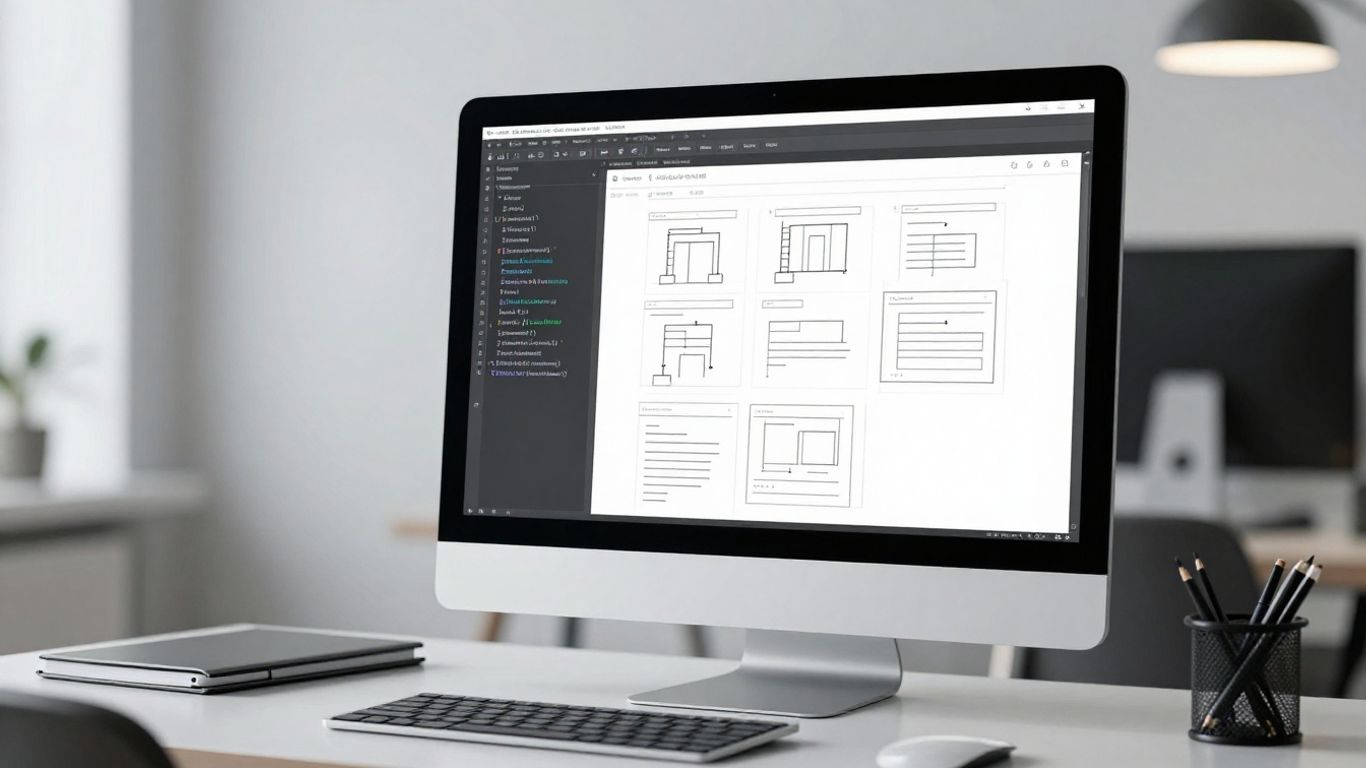
Custom design solutions offer total control over backend architecture, allowing for configurations that templates cannot replicate. Rather than force-fitting internal processes into an existing box, companies build structures around their unique operational needs. This level of intentionality results in a digital foundation that supports business goals from day one.
Superior site performance and loading speeds
Custom builds remove bloated code that often accompanies heavy, multipurpose themes, which helps in maintaining high performance. Lean coding practices allow assets to load faster, which is a major factor in retaining curious visitors who have limited patience.
| Feature Type | Template Impact | Custom Impact | Performance Gain |
|---|---|---|---|
| Initial Load | Moderate | High | Optimized |
| Cache Control | Limited | Full | Enhanced |
| Asset Delivery | Standard | Tailored | Accelerated |
By fine-tuning these technical parameters, companies ensure their landing pages provide high-speed stability that keeps users from abandoning the navigation process.
Tailored functionality for specific business workflows
Custom development allows for deep system integration that aligns with how internal teams manage data and content. Instead of managing plug-ins that require maintenance, teams can build proprietary features within the site architecture to simplify their day-to-day work cycles.
Enhanced security architecture against modern threats
Focusing on security ensures a stable long-term presence by mitigating risks before they arise through vulnerability in generic frameworks. Custom code allows for specific hardening techniques that protect sensitive customer data and intellectual property from emerging digital threats.
Collaborating with website marketing experts
When building a digital presence, involving experts in the process ensures that high-level business goals influence low-level technical decisions. These professionals view the site not just as a visual work but as a funnel for growth that requires ongoing refinement. A collaborative approach prevents the common issue of design being disconnected from marketing intent.
The importance of cross-functional development teams
Teams that combine expertise in design, engineering, and marketing strategy produce superior outcomes through constant feedback loops. This collaboration ensures that every feature deployed serves a purpose and doesn't interfere with existing search functionality. By fostering this synergy, companies maximize the effectiveness of their modern web design investments.
Integrating SEO strategy directly into wireframes
Integrating technical structural requirements into the initial wireframe stage ensures that search engines can accurately crawl and index pages. Effective teams prioritize:
- Structural semantic hierarchy for search engines.
- Logical user intent mapping across navigation hierarchies.
- Fast-loading asset optimization during initial wireframing.
- Mobile-first responsiveness as the underlying global standard.
These elements prevent the need for costly redesigns down the road while keeping the site compliant with technical SEO expectations for the coming year.
Leveraging data-driven decision making for redesigns
Data informs progress, yet many firms rely on hunches rather than user behavior metrics when planning their digital refreshes. Relying on actual engagement data allows designers to refine layouts based on where users interact most, ensuring the final product reflects current market behaviors.
Ensuring cohesive brand messaging across channels
Consistency in visual tone is essential for brand resonance across all external communications, creating a unified narrative. When messaging remains aligned across social media, landing pages, and email campaigns, the overall authority of the brand grows exponentially in the eyes of potential partners.
Key design trends and technologies for 2026

Technological shifts in 2026 emphasize a return to meaningful user-centricity through adaptive and responsive interfaces. Designers are no longer purely focused on display; they are designing for interaction environments that anticipate user intent before they ever click. Leveraging these new tools allows brands to stay relevant in a landscape that changes rapidly.
Immersive storytelling using dynamic motion elements
Dynamic elements keep users engaged by providing cues that guide them through the site narrative without feeling cluttered or distracting. These components provide a layer of fluidity that makes the digital platform feel active rather than stagnant.
Implementing AI-driven content personalization
AI solutions track user preferences to present relevant information instantly, which keeps audiences from getting lost in irrelevant content. This adaptive personalization turns an average visit into a focused deep dive that addresses the specific interests of the individual visitor.
Designing for voice and augmented reality accessibility
Accessibility now extends to emerging modalities where voice queries and augmented reality dictate how information should be structured. Preparing for these interfaces ensures that future-ready brands can reach users wherever they interact with technology.
Prioritizing sustainable and low-energy web practices
Sustainable design involves stripping out excessive scripts and energy-intensive assets that increase the burden on both servers and users. Lean design patterns support this goal by maximizing impact while minimizing the carbon footprint of digital operations.
Aligning web architecture with business KPIs
Successful web architecture requires that every technical layer connects directly to business performance goals for maximum transparency. When dashboards mirror core commercial objectives, decision-makers can see the immediate impact of their digital investments on the company profit margins.
Defining benchmarks for engagement and retention
Establishing clear benchmarks allows organizations to understand which segments of the site generate the highest value for the business. Long-term success is rarely about raw traffic volume; it is about how effectively the platform keeps high-intent users moving through the cycle.
Mapping design elements to sales funnel milestones
Each page component should be tethered to a specific stage in the buyer journey to move them toward a defined goal. By focusing on milestones, designers can remove friction at the exact points where visitors tend to drop out or lose their focus.
The impact of mobile-first architecture on search visibility
Mobile-first standards are at the core of stable visibility, as search engines now penalize any site that feels sluggish or broken on handheld devices. A mobile-optimized architecture serves as the baseline for protecting visibility in a competitive, fast-paced search result environment.
Scalability and future-proofing your web platform
Scalability involves building a infrastructure that allows for modular growth without forcing a complete rewrite every time business needs shift. Future-proofing your platform protects your initial investment from technological obsolescence by using open, flexible systems.
Modular development for agile content updates
The modular approach allows teams to update, swap, or expand specific features independently without affecting the global site state. This agility ensures that branding or functionality updates take hours instead of weeks.
Cloud-based infrastructure for managing traffic surges
Cloud systems provide the elasticity required to handle unexpected spikes in visitors during high-growth periods. Managing traffic through these resilient hosting environments prevents downtime that could discourage potential clients from interacting with the business.
Preparing for multi-market expansion through flexible design
Designing for global usability involves creating systems that can easily adapt to different languages, regional data regulations, and diverse market cultural needs. A flexible site backend provides the foundation for such growth without requiring duplicate efforts in different territories.
Conclusion
By balancing technical rigor with human-centered design, businesses can move beyond static displays to cultivate a high-performing digital presence that supports long-term commercial goals. Committing to a custom framework ensures that your path forward is built on agility and scalable architecture, keeping the brand ahead of rapid industry shifts while delivering lasting value to your audience.
Frequently Asked Questions
What are the main indicators of poor web performance?
Common indicators include slow page loading times, high bounce rates on critical landing pages, and mobile displays that require excessive zooming or scrolling to navigate properly.
How does custom development differ from using pre-made themes?
Custom development provides a bespoke codebase designed specifically for your operational needs, whereas themes often include unnecessary features that slow down speed and limit structural flexibility.
Can a website design impact my search engine ranking?
Yes, technical structure, code cleanliness, and mobile-first loading speeds are fundamental pillars that directly affect how effectively search algorithms grade and rank your pages.
Why should I prioritize UX over purely aesthetic design?
While aesthetics draw a user in, the user experience is what converts that visit into a commercial action, ensuring that visitors find the information they need to commit to a purchase.
How often should a business re-evaluate its web architecture?
Businesses should perform a structural audit at least annually to ensure that their underlying framework still supports new operational workflows and changing technical security standards.
Are voice-search optimizations necessary for local service businesses?
Optimizing for voice search helps your business captured intent-based discovery from mobile users who increasingly rely on voice assistants for local service information and professional queries.
What makes a design scalable for future traffic growth?
Scalability is achieved through modular coding, cloud-based hosting solutions, and flexible content management systems that allow the site to expand its functionality without requiring a complete rebuild.


Comments
Post a Comment