Why Custom Website Design Beats Templates for Service Providers in 2026

Key Takeaways
Custom web design offers service providers a path to superior performance and brand clarity that generic templates cannot provide. These points summarize the essential benefits of moving away from pre-built layouts in the current digital ecosystem.
- Custom interfaces allow for unique brand expression that builds immediate professional rapport with prospective clients.
- Bespoke site architecture ensures that technical performance and page speed metrics remain optimal for competitive rankings.
- Modern conversion strategies prioritize user intent, which requires layouts free from the limitations of rigid, generic frameworks.
- Implementing specialized structured data enhances how search engines interpret and display unique service offerings.
- Collaborating with specialists ensures that your digital presence scales alongside business growth and evolving market needs.
The shifting landscape of service provider websites in 2026
The digital environment for service businesses is undergoing a correction as users prioritize authenticity over standardized design patterns. Generic templates are becoming increasingly visible as "filler" content, which forces companies to look toward bespoke solutions to stand out. Navigating this evolution requires a commitment to quality that aligns digital touchpoints with the actual value provided to the end user.
The rise of AI-driven aesthetic standards
Artificial intelligence now enables even modest sites to mimic high-end visual styles, which has raised expectations among visitors. Browsers now subconsciously distinguish between sites built with custom intent and those generated through automated, repetitive design patterns. Maintaining a competitive edge depends on thoughtful design choices that move beyond baseline visual norms.
Why generic templates struggle with trust-based decision making
Templates often force content into containers that do not naturally fit the narrative of a service interaction. When a layout feels disconnected from the service, users perceive a lack of professional depth, frequently leading to abandoned sessions. A custom website design bridges this gap by arranging content in a way that guides visitors logically toward the information they need most.
Evaluating the impact of complex, interactive digital interfaces
Modern users interact with sites through a variety of devices and conversational agents, making interactive responsiveness a functional requirement. Rigid templates often fail to adapt gracefully to these dynamic demands, resulting in broken paths and lost conversion opportunities. Custom interfaces provide the flexibility needed to maintain a cohesive user experience across every potential entry point.
How custom design aligns with modern conversion strategies

Custom design is the foundation for turning a static site into a functional business tool that actively recruits customers. By avoiding the bloat of ready-made themes, businesses can ensure their messaging is the primary focal point of the user journey. Achieving this requires a deep understanding of how local audiences process information and reach their final purchasing decisions.
Mapping out high-intent user journeys
Understanding how a potential client moves through a site is essential for minimizing abandonment rates. By mapping out specific paths that cater to high-intent traffic, companies can guide users toward the SEO services that best fit their specific needs without overwhelming them with unnecessary navigation choices.
Designing visual call-to-action hierarchies tailored to your unique services
Visual hierarchy dictates where a visitor looks first, second, and third, directly affecting the likelihood of a conversion event. Custom builds allow for the creation of clear pathways that explicitly highlight service values, as displayed in this simplified conversion comparison:
| Feature | Template-Based Site | Custom Built Site |
|---|---|---|
| Layout Flexibility | Extremely Limited | Fully Tailor-Made |
| Loading Speed | Often Below Average | Optimized Performance |
| Conversion Paths | Static and Generic | Intent-Driven Flow |
This structure ensures that every potential engagement opportunity is positioned strategically rather than placed based on whatever the pre-built template allowed.
Reducing friction in the client intake and scheduling process
Simplifying how a user interacts with a business is perhaps the most significant way to increase intake efficiency. By removing unnecessary steps and integrating targeted scheduling modules, developers can streamline the transition from interest to a confirmed inquiry. These well-architected digital workflows directly impact the speed at which a company can grow its active client base.
The hidden costs and limitations of template-based sites
While templates may seem like a bargain initially, they often carry hidden expenses that erode long-term profitability. Maintenance, performance gaps, and the inevitable need for a redesign often mean the total cost of ownership is higher than a bespoke solution. Smart operators must account for these factors when choosing a platform for their business.
Bloated code impacts on site speed and performance metrics
Most templates are designed to serve every possible use case, which results in massive, unoptimized codebases. This excess baggage slows down interactions and creates drag on critical load times, which frustrates visitors and affects search visibility. A custom approach ensures that only the necessary scripts are loaded, optimizing the site for performance and user retention.
Security vulnerabilities inherent in third-party template plugins
Generic frameworks rely heavily on third-party ecosystems that are frequently targeted by bad actors. Because these plugins are popular, they are often the primary targets for exploitation, putting your data and your client’s information at significant risk. Building from the ground up allows for tighter security controls that do not rely on constantly updating fragile third-party modules.
The technical constraints of scaling business processes within rigid layouts
As your company matures, your website needs to reflect that evolution through new features and service categories. Rigid platforms often trap business leaders, making it nearly impossible to implement new automations or capture specific customer data as it arrives. A flexible architecture ensures you are never held back by the tools you use to manage that valuable growth.
Establishing brand authority through unique digital architecture
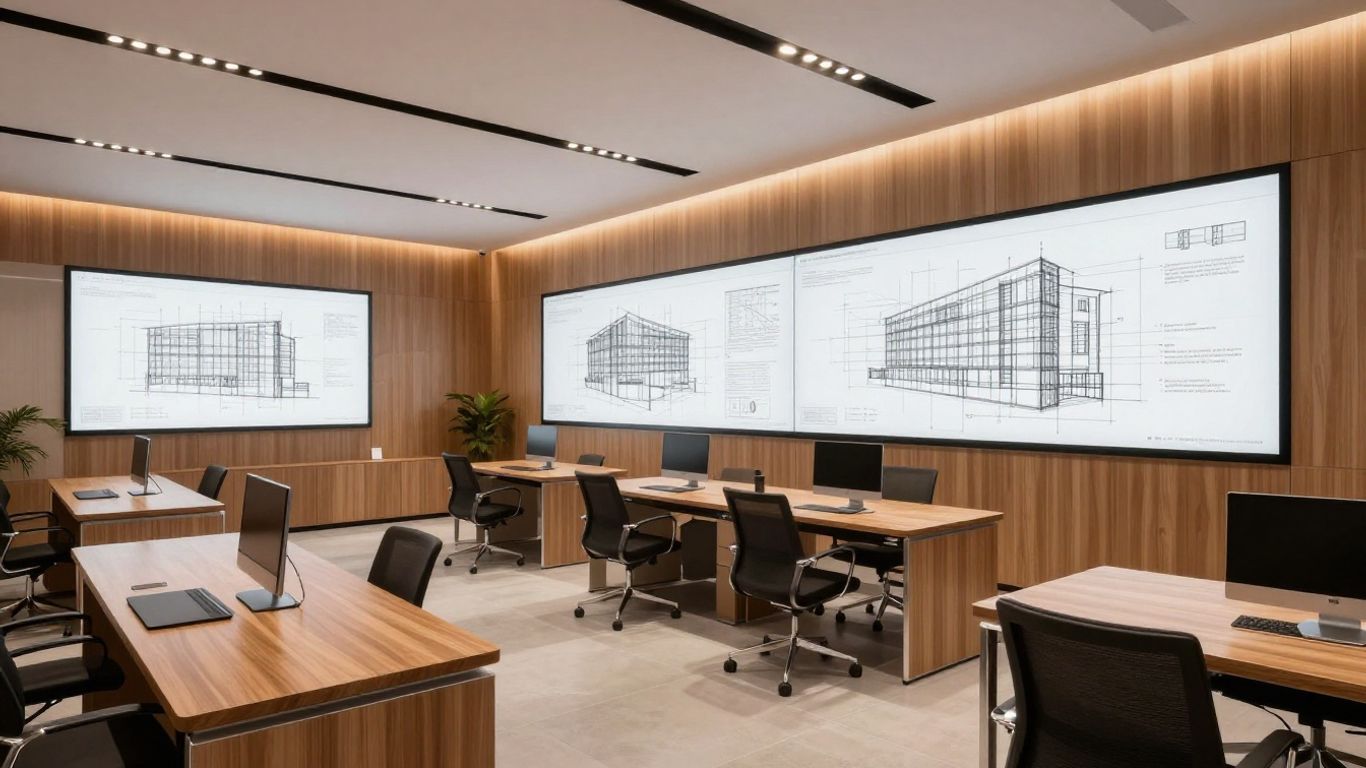
Establishing deep professional rapport requires a site that looks, feels, and performs like a leader in the industry. Generic visual styles act as an anchor, preventing a business from communicating the genuine nuance of its work to the world. Custom architecture provides the canvas necessary to articulate what makes your service truly reliable.
Reflecting specific brand values through bespoke design language
Every service firm possesses a unique voice and culture that a pre-built template simply cannot replicate. By weaving brand elements into the structure of the site, companies can nurture a consistent identity that resonates with their target market. This consistency is foundational for long-term credibility.
Differentiating from market competitors in crowded service sectors
In competitive markets, the difference between a lead and a lost opportunity is often found in the quality of the interaction. A site that stands out visually and functionally creates a mental marker for potential clients who are exploring dozens of standard options. You must prioritize this differentiation if you intend to capture and hold premium market segments.
Creating a user experience that builds immediate professional rapport
When the design feels considered, the user inherently believes that the business owner values quality in their external services. This intuitive trust building is a hallmark of success:
- Transparent communication about service capabilities.
- Fast, error-free interactive elements.
- Clear, non-intrusive navigation and information access.
This positive cycle confirms your relevance to the user immediately upon landing, establishing that crucial professional bond before they even engage with your team.
Collaborating with website marketing experts for long-term growth
Aligning your digital presence with professional guidance creates a loop of performance improvements that sustain progress over years rather than months. These experts bridge the gap between technical limitations and business objectives, ensuring that every design choice is rooted in data-driven growth. If you are ready for modern digital solutions that prioritize performance, this is the essential step for your organization.
The strategic advantage of a multidisciplinary development approach
Working with a team that understands design, development, and marketing prevents silos from forming within your organization. A unified team ensures that the artistic vision of the site does not contradict the functional requirements needed for high-level site usability. This multi-layered expertise is how you achieve a digital product that performs as beautifully as it looks.
Integrating brand identity and performance marketing from day one
Marketing is not a layer applied after the site is finished; it is baked into the foundation by smart intent-gathering and structure. By considering keyword relevance and user behavior early, developers can ensure that your brand identity remains consistent even as marketing campaigns change. This stability is why many high-performing firms opt for custom builds over temporary fixes.
Future-proofing your digital assets for strategic business pivots
Markets change rapidly, and your digital footprint must be agile enough to pivot alongside your business model. A custom architecture allows for easier updates and modular additions, preventing a full redesign when your strategies shift. Future-proofing your assets ensures that your investment continues to provide value even when your company enters new service territory.
SEO performance and technical optimization in custom builds
Technical optimization is no longer just a background task; it is the core of how you maintain visibility and reach your target users. Standard templates often create technical hurdles that block search engines from effectively indexing new, high-value service content. Custom builds provide the control needed to ensure your site is always optimized for the latest search environments.
Eliminating unused script weight to improve Core Web Vitals
Loading excess code is one of the most common ways to hurt your search ranking, particularly regarding modern performance metrics. Custom development allows for technical SEO services that ensure site scripts are slim, relevant, and lightning-fast. This lean approach is the most effective way to protect your site from ranking drops caused by poor experience signals.
Implementing custom structured data for specialized service intent
General templates limit how you can present your services to search entities, but custom code lets you mark up your exact offerings precisely. By providing search engines with granular, structured context, you improve the chances of claiming rich snippets that draw in high-value traffic directly from the results page. This specificity is a major lever for firms that offer niche or specialized assistance.
Enhancing accessibility and crawlability for diverse user demographics
Accessibility is not just an ethical requirement; it is a technical optimization that ensures everyone can access your service information. Custom builds ensure that mobile-accessible frames, logical navigation hierarchies, and clean image metadata work together to help users find you. When you make your site better for people, you simultaneously make it better for the search systems that direct those people to your page.
Conclusion
Investing in a custom website is about more than just aesthetics; it is a strategic business move that establishes authority, drives conversions, and ensures your digital footprint is built on a solid foundation. By stepping away from the constraints of generic templates, service providers in 2026 can effectively align their digital experience with their actual professional standards, ultimately fostering growth that reaches the right audience at the right time.
Frequently Asked Questions
Why does custom web design generally cost more than a template?
Custom design involves dedicated research, original code development, and quality assurance processes that go far beyond selecting a pre-existing layout. These resources ensure your site performance, security, and unique brand alignment are built to handle your long-term business goals safely.
How long does a typical custom website project take to launch?
Timelines vary based on the scale of the architecture and the complexity of the service integrations required. While some foundational projects take a few weeks, extensive builds involving complex backend features or multiple distinct service funnels may require a longer collaborative development phase.
Can existing template-based sites be converted into custom builds?
Yes, experts can often migrate your existing content, brand assets, and search data into a new, custom-developed framework. This is a common strategy for businesses that have reached the performance limits of their current platform and need to scale their operations.
Will a custom site remain fast as traffic increases?
Because custom-built sites are often leaner and optimized for your specific server load patterns, they are significantly easier to scale than rigid templates. You maintain control over how your infrastructure handles requests, ensuring consistency even as your business popularity grows.
Do I need to be tech-savvy to maintain a custom-built site?
Custom sites are typically paired with user-friendly administrative dashboards that allow you to manage core content updates without touching the underlying technical files. The goal is to provide a powerful tool that you can manage efficiently with minimal technical training.
How does custom design impact my site visibility in search engines?
Custom development allows for perfect technical optimization, enabling you to control exact content presentation and site performance. This precision ensures search engines can crawl, index, and rank your specialized service information much more effectively than they could with a generic template.
Can I make changes to my site layout after it launches?
Custom sites are built to be modular, meaning that you can add or adjust sections as your business offers new services or target audiences change. Since the architecture is purpose-built, updates can be integrated without undermining the site's integrity or performance metrics.


Comments
Post a Comment