The Future of E-Commerce and Custom Website Design Services in 2026
So, 2026 is almost here, and if you're running a business, you've probably noticed things are changing fast online. People shop differently now. They want things quick, easy, and right on their phones. Just having a website isn't enough anymore. You need something that works well, can grow with you, and actually gets people to buy stuff. That's where good e-commerce development comes in, and yeah, getting seen online is a big part of it too.
Key Takeaways
- Online stores are a must for business growth in 2026, with customers expecting smooth, mobile-friendly shopping.
- Trends like AI personalization, modern design layouts (Bento Grids), and interactive storytelling are shaping how e-commerce sites are built.
- Using cloud tech and flexible architectures like headless commerce can give businesses a competitive edge.
- Website speed, easy navigation, and building trust are super important for making sales.
- Working with a good e-commerce development team, possibly with an integrated SEO marketing company, is key for success.
The Evolving Landscape Of E-Commerce In 2026
The Imperative Of Online Stores For Business Growth
Look, having an online store in 2026 isn't really a choice anymore, it's just how business gets done. People aren't just browsing in physical shops as much; they're clicking around on their phones and laptops. If you're not online, you're basically invisible to a huge chunk of potential customers. It’s like trying to sell ice cream in a blizzard without a coat. Businesses that want to actually grow need to be where their customers are, and that's online. It’s not just about having a website; it’s about having a good one that works well and makes it easy for people to buy from you. This is why getting professional help with your online store is so important these days.
Shifting Customer Expectations For Seamless Experiences
Customers today expect a lot more than they used to. They want things to be super easy and fast, no matter how they're shopping. Think about it: you want to find what you need, buy it, and be done, right? They expect the same. This means websites need to be quick, simple to use, and look good on any device. If your site is clunky or confusing, people will just leave and go somewhere else. They want a smooth ride from start to finish, and that's what keeps them coming back.
The digital marketplace is crowded. To stand out, businesses must focus on making the entire shopping journey effortless. This includes everything from finding a product to checking out and even post-purchase support. A positive experience builds loyalty.
The Rise Of Mobile-First Shopping Habits
It’s no secret that most people do their online shopping on their phones. Seriously, check the stats – it’s a massive number. This means your website absolutely has to work perfectly on a small screen. Designing for mobile first isn't just a trend; it's the standard way to build a successful online store now. If your site looks bad or is hard to use on a phone, you're losing out on a ton of sales. It’s all about making sure that experience is top-notch, no matter the screen size. This is why a well-designed, mobile-responsive website is so critical for any business looking to succeed online.
Key Trends Shaping E-Commerce Development Services
So, what's actually making waves in how online stores are built these days? It's not just about slapping some products on a page anymore. The game has changed, and if you want your online shop to actually do well in 2026, you've got to pay attention to a few big things.
AI-Powered Personalization For Enhanced Engagement
This is a big one. Think about when you visit a site and it feels like it just knows what you're looking for. That's AI at work. It looks at what you've clicked on, what you've bought before, and even what similar people are buying, then shows you stuff you're more likely to be interested in. It makes shopping feel less like a chore and more like a conversation. For businesses, this means people stick around longer and are more likely to buy.
- Product Recommendations: Showing items related to what's in the cart or was just viewed.
- Personalized Content: Tailoring banners, offers, or even search results based on user history.
- Dynamic Pricing: Adjusting prices slightly based on demand or customer loyalty (though this needs careful handling).
AI isn't just a fancy add-on anymore; it's becoming a core part of making an online store feel relevant to each shopper. It’s about making that connection.
Bento Grids And Dark Aesthetics In Web Design
Remember those old-school website layouts? They're getting a makeover. We're seeing more "Bento Grids" – think of it like a neat, organized dashboard with different content boxes. It's a clean way to show off a lot of different things, like featured products, blog posts, or special deals, all at once without looking cluttered. Then there's the "Dark Aesthetic." It's not just about looking cool; dark backgrounds can make product photos really stand out and can be easier on the eyes, especially at night. It gives off a more premium vibe, too.
| Design Element | Benefit |
|---|---|
| Bento Grid | Organizes content, maximizes screen space |
| Dark Aesthetic | Makes products pop, feels sophisticated |
| High Contrast | Improves readability, highlights key elements |
Scrollytelling And Micro-Interactions For Immersive Experiences
Websites are becoming more like interactive stories now. "Scrollytelling" means that as you scroll down a page, different elements animate or change, guiding you through a narrative about a product or brand. It’s way more engaging than just reading static text. Add to that "micro-interactions" – those little animations you see when you click a button, add something to your cart, or refresh a page – and you get a website that feels alive and responsive. These small touches make the whole experience feel smoother and more polished, keeping users hooked.
- Animated Product Tours: Scrolling to reveal different features of a product.
- Interactive Infographics: Visual data that unfolds as you scroll.
- Feedback Animations: Small visual cues confirming an action, like a "heart" animation when liking a product.
Leveraging Technology For A Competitive Edge
In today's fast-paced digital world, just having an online store isn't enough. To really stand out and get ahead, businesses need to use the latest tech. It's all about making things work better, faster, and smarter for your customers. Think of it like upgrading your tools – the right ones make all the difference.
The Power Of Cloud-Based Infrastructure
Running your online store on the cloud is a big deal. It means your website can handle way more traffic without slowing down, especially during busy sales periods. Plus, it's much easier to scale up or down as your business needs change. You don't have to worry as much about servers crashing or losing data. It's like having a super reliable foundation for your entire online operation.
Headless Commerce Architecture For Flexibility
This is a bit more technical, but it's pretty cool. Headless commerce separates the 'front end' (what customers see and interact with) from the 'back end' (where all the product info and order management happens). Why is this good? It gives you a lot more freedom to design unique customer experiences across different devices and platforms, like apps or even smartwatches, without being tied down by a single system. It makes your store more adaptable.
Voice Commerce Integration For Future Shopping
People are talking to their devices more and more, and this is changing how they shop. Integrating voice commerce means customers can search for products, add them to their cart, and even check out using just their voice. While it might seem a bit futuristic, getting ready for it now can put you ahead of the curve. It's about making shopping as easy as asking a question.
Using these advanced technologies isn't just about keeping up; it's about building a more robust, adaptable, and customer-friendly online business that's ready for whatever comes next. It's a smart move for long-term success.
Optimizing Your Online Store For Success
Your online store is more than just a digital catalog; it's your primary sales channel, working around the clock. If it's slow, hard to use, or just looks dated, you're likely losing customers to competitors. In 2026, expectations are high, and a clunky website is a fast track to losing business. A well-functioning site isn't just about looking good; it's about making it easy for people to buy from you.
The Critical Role Of Website Speed And Performance
Think about the last time you waited more than a few seconds for a page to load. Chances are, you clicked away. Website speed directly impacts user satisfaction and, consequently, your sales. Slow loading times frustrate visitors and can lead them to abandon their carts before they even start.
- Image Optimization: Compress all images without sacrificing quality. Use modern formats like WebP.
- Code Minification: Remove unnecessary characters from HTML, CSS, and JavaScript files.
- Browser Caching: Store parts of your website on a user's device so it loads faster on return visits.
- Content Delivery Network (CDN): Distribute your website's content across multiple servers globally to reduce latency for users.
Speed is no longer a nice-to-have; it's a baseline requirement. Search engines also favor faster sites, meaning better performance can directly improve your visibility.
Enhancing User Experience Through Intuitive Design
Making your website easy to navigate is key. If customers can't find what they're looking for quickly, they'll leave. This means clear categories, a prominent search bar, and a simple checkout process.
- Mobile-First Approach: Design with mobile users in mind from the start. Ensure buttons are easy to tap and text is readable on small screens.
- Simplified Navigation: Use clear, descriptive labels for your menu items. Avoid jargon.
- Streamlined Checkout: Reduce the number of steps required to complete a purchase. Offer guest checkout options.
- Clear Calls to Action (CTAs): Make buttons like "Add to Cart" or "Buy Now" stand out visually.
Building Trust And Credibility With Professional Design
Customers need to feel secure when they shop online. A professional, polished website design builds that trust. This includes high-quality product images, clear contact information, and visible security badges.
- High-Quality Visuals: Use clear, professional photos and videos for your products.
- Customer Reviews and Testimonials: Social proof is powerful. Displaying positive feedback builds confidence.
- Transparent Policies: Make your shipping, return, and privacy policies easy to find and understand.
- Secure Payment Options: Clearly display accepted payment methods and security seals. Integrating with trusted payment providers is a must for online store success.
Remember, a website that is fast, easy to use, and looks trustworthy is far more likely to convert visitors into loyal customers.
Strategic Approaches To E-Commerce Website Development
Custom Development For Unique Business Needs
Look, not every business fits neatly into a pre-made box. Sometimes, you've got specific workflows, unique product lines, or a customer experience vision that off-the-shelf solutions just can't handle. That's where custom e-commerce development comes in. It's about building something from the ground up, tailored precisely to what your business needs to do. Think of it like getting a custom suit versus buying one off the rack. The custom one fits perfectly, right? It means you get exactly the features you want, without any bloat from things you don't. This approach gives you total control over the look, feel, and functionality, which can be a real game-changer for standing out.
Choosing The Right Platform: Shopify, WooCommerce, Magento
Okay, so you've decided you need an online store, but which platform is the right fit? This is a big decision, and honestly, there's no single 'best' answer for everyone. It really depends on your business size, budget, technical know-how, and what you plan to sell.
Here's a quick rundown:
- Shopify: Super popular, especially for small to medium businesses. It's known for being user-friendly and quick to get up and running. You pay a monthly fee, and they handle a lot of the technical stuff. Great if you want to focus more on selling and less on managing servers.
- WooCommerce: This is actually a plugin for WordPress websites. If you already have a WordPress site or love the flexibility of WordPress, WooCommerce is a strong contender. It's free to start with, but you'll likely spend money on themes, plugins, and maybe some developer help to get it just right. It offers a lot of customization.
- Magento (now Adobe Commerce): This one is generally for larger businesses or those with complex needs. It's powerful and very scalable, but it also comes with a steeper learning curve and higher costs, often requiring dedicated developers.
Picking the right platform is like choosing the foundation for your house. Get it wrong, and everything else can become a struggle down the line. It's worth spending time researching which one aligns best with your current situation and future goals.
The Importance Of SEO Marketing Company Integration
Building a beautiful, functional online store is only half the battle. If nobody can find it, what's the point? This is where integrating with an SEO marketing company becomes super important. These folks know how to get your store seen by the right people. They work on making sure your product pages rank well in search results, attracting customers who are actively looking for what you sell. It’s not just about getting traffic; it’s about getting qualified traffic that’s more likely to convert into sales. Think of it as making sure your store is on a busy street, not hidden down a back alley. A good SEO strategy works hand-in-hand with your website development to drive real business growth.
The Development Process And Essential Features
Building a successful online store involves a structured approach, moving from initial ideas to a fully functional site. It's not just about looking good; it's about making sales and keeping customers happy. This process breaks down into several key stages, each with its own set of important considerations.
From Requirement Analysis To Launch And Maintenance
It all starts with understanding what your business needs. What are your goals? Who are you trying to reach? This initial analysis phase is super important because it sets the direction for everything that follows. After that, you pick the right technology – will it be a platform like Shopify, or something more custom? Then comes the design part, focusing on how users will interact with your site. The actual building of the website happens next, followed by thorough testing to catch any bugs or performance issues. Finally, you launch the site, but the work doesn't stop there. Ongoing maintenance is key to keeping things running smoothly and adapting to changes.
Here's a quick look at the typical steps:
- Requirement Analysis: Figuring out business goals and user needs.
- Platform Selection: Choosing the right tech stack.
- UI/UX Design: Crafting the user interface and experience.
- Development: Building the actual website.
- Testing: Checking for bugs, performance, and security.
- Launch: Making the site live.
- Maintenance: Ongoing updates and improvements.
Must-Have Features For High-Converting Websites
To actually make sales, your website needs certain features. Think about what makes shopping online easy and trustworthy. Fast loading speeds are a big one; nobody waits around for a slow site. Mobile responsiveness is also non-negotiable since so many people shop on their phones. Clear navigation helps customers find what they're looking for without getting frustrated. And, of course, you need a way for people to pay you securely.
Some features to really focus on:
- Speed and Performance: Quick loading times are critical. Even a 1-second delay can hurt sales.
- Mobile Responsiveness: The site must look and work great on all devices.
- Intuitive Navigation: Easy-to-understand menus and site structure.
- High-Quality Product Presentation: Clear images and detailed descriptions.
- User Reviews and Trust Signals: Social proof builds confidence.
Building a website that converts isn't just about adding features; it's about creating a smooth journey for the customer from the moment they land on your site to the moment they complete a purchase. Every step should feel easy and secure.
Integrating Secure Payment Gateways And Local Options
Getting paid is obviously a huge part of e-commerce. You need to offer payment options that your customers trust and find convenient. This means integrating with reliable payment gateways. Think about popular services like Stripe or PayPal, but also consider local options that might be common in your target markets. Offering a variety of payment methods can significantly reduce cart abandonment. It shows you've thought about your customers' preferences and made it easy for them to complete their transaction. For businesses looking to improve their online presence, focusing on SEO marketing company integration can also drive more qualified traffic to these well-built stores.
Investing In E-Commerce Redesign Services
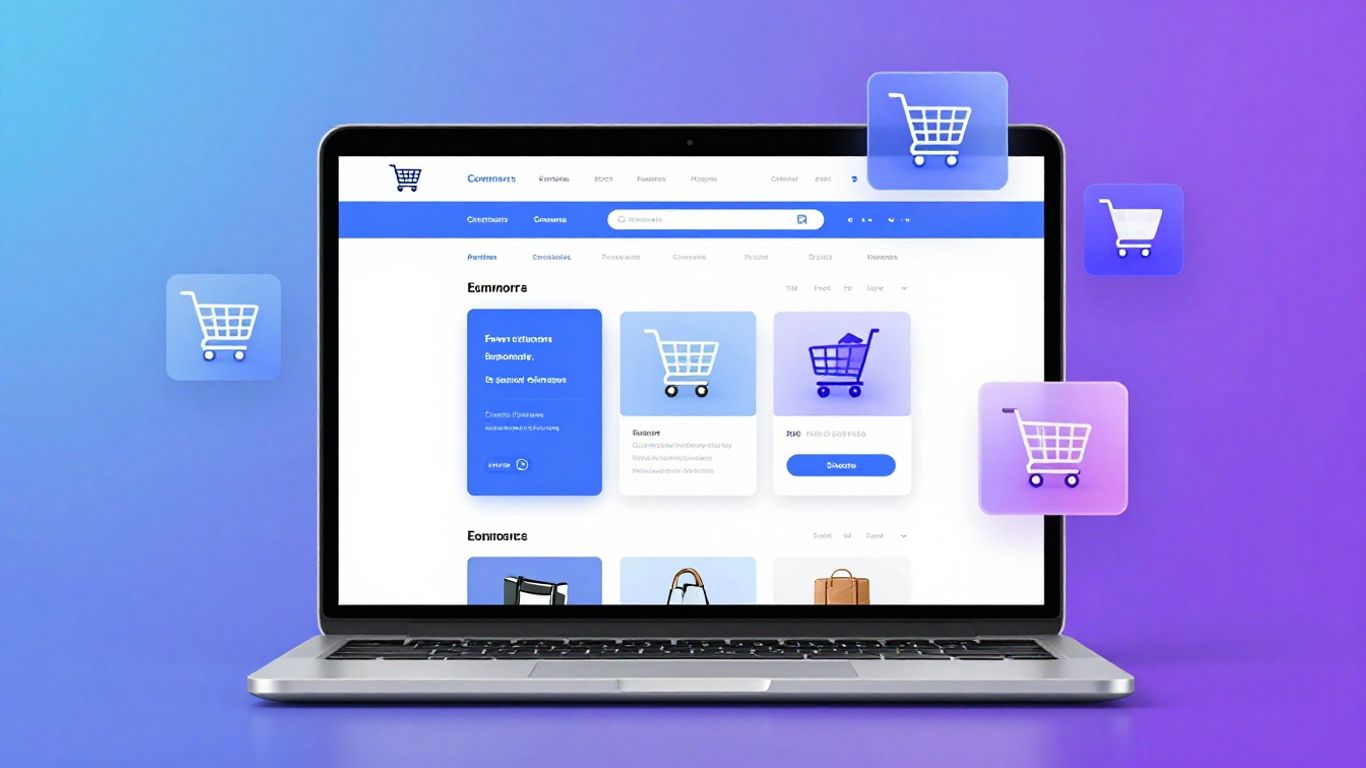
Driving Conversions Through Strategic Redesign
Think of your online store as your most dedicated employee. It works around the clock, greets every visitor, and handles sales. But what if that employee starts to look a bit dated, struggles to keep up with new product information, or moves at a snail's pace? You're likely losing business. The online shopping world changes fast, and customers expect things to be quick, look good, and just work. If your site feels old or clunky, people will just go somewhere else. That's why giving your e-commerce site a makeover isn't just about looking pretty; it's a smart business move.
A bad user experience is a hidden drain on your profits. It annoys shoppers and makes them doubt your brand. A proper redesign fixes these issues, making it easier for people to find what they want and complete a purchase. It's about removing roadblocks and making the whole process smooth.
A good redesign isn't just about new colors or a different font. It's a complete update to how your site works, feels, and performs. It touches on a few key areas:
- User Experience (UX): How simple and pleasant it is for someone to look around and buy.
- User Interface (UI): The look and feel of the site that guides people.
- Performance: How fast your pages load and if the site is technically sound.
- SEO: Making sure search engines can find and rank your products.
- Conversion Rate Optimization (CRO): Specific changes aimed at getting more visitors to actually buy something.
Improving SEO Performance With A Website Overhaul
When you decide to update your online store, it's the perfect chance to fix any underlying technical problems that might be hurting your search engine rankings. A cleaner site structure and better-written code help search engines like Google understand what your pages are about, which can lead to better visibility. This means more potential customers finding you when they search for products you sell.
A strategic redesign focuses on making your site more appealing to both users and search engines. It's about creating a clear path for customers and ensuring search engines can easily index your content, leading to improved search rankings and more organic traffic.
Ensuring Scalability For Future Business Growth
Your business isn't static; it's meant to grow. Your website needs to be able to handle that growth too. A redesign project should build your online store on a foundation that can support more products, handle increased visitor numbers, and easily add new features as your business evolves. This means looking at the technology behind the scenes, like cloud infrastructure and flexible architectures, to make sure your site won't become a bottleneck as you expand. It’s about building a digital asset that can keep pace with your ambitions.
Making your online store look great and work well is super important. If your e-commerce site feels old or is hard for shoppers to use, it might be time for a refresh. A new design can help you attract more customers and make more sales. Ready to give your online shop a boost? Visit our website today to learn how we can help you create an amazing e-commerce experience!
Wrapping It Up
So, looking ahead to 2026, it's pretty clear that just having an online store isn't going to cut it anymore. People shop differently now, expecting things to be fast, easy, and feel like they're made just for them. If you're serious about selling online, whether you're just starting out or trying to grow, putting money into a good e-commerce setup is key. It’s not just about looking nice; it’s about building something that works well, can handle more business as you grow, and actually helps you make sales. Getting this right means thinking about everything from how it looks and feels on a phone to how quickly it loads and how secure the payments are. It’s a big job, but getting it done means you’re ready for what’s next in online shopping.
Frequently Asked Questions
What's the big deal with online stores in 2026?
Think of it this way: in 2026, if you don't have an online store, you're basically invisible to a huge number of shoppers. People buy things online all the time because it's easy and they can do it from anywhere. Having a good online store isn't just a nice-to-have; it's how businesses grow and reach more customers.
Why do online stores need to be super fast and easy to use?
Imagine walking into a store where everything is messy and it takes forever to find what you want. That's what a slow or confusing website feels like to shoppers! In 2026, people expect to find what they need quickly and easily, especially on their phones. A smooth experience makes them happy and more likely to buy.
What's 'mobile-first' shopping?
It means designing websites so they work perfectly on phones first, because that's how most people shop now. If a website looks and works great on a phone, it usually works well on computers too. It's like making sure the most important part of your house is built really well before you worry about the fancy decorations.
How does AI help online stores?
AI, which stands for Artificial Intelligence, is like a smart helper for your online store. It can learn what shoppers like and suggest products they might want to buy, almost like a helpful salesperson. This makes shopping more fun and helps people find things they'll love.
What is 'headless commerce'?
This sounds complicated, but it's basically a way to build online stores that's super flexible. Imagine separating the 'look' of your store (what customers see) from the 'brain' of your store (how it works behind the scenes). This lets you change the look easily without messing up how everything functions, and it can make your store faster.
Why should I think about redesigning my online store?
Your online store is like your business's front door. If it looks old or doesn't work well, people might not want to come in. Redesigning can make it look modern, work faster, be easier for shoppers to use, and even help more people find it on search engines like Google. It's like giving your store a fresh, exciting makeover to attract more customers.


Comments
Post a Comment