Synergy in 2026: How Paid Social and Organic Search Enhance Each Other
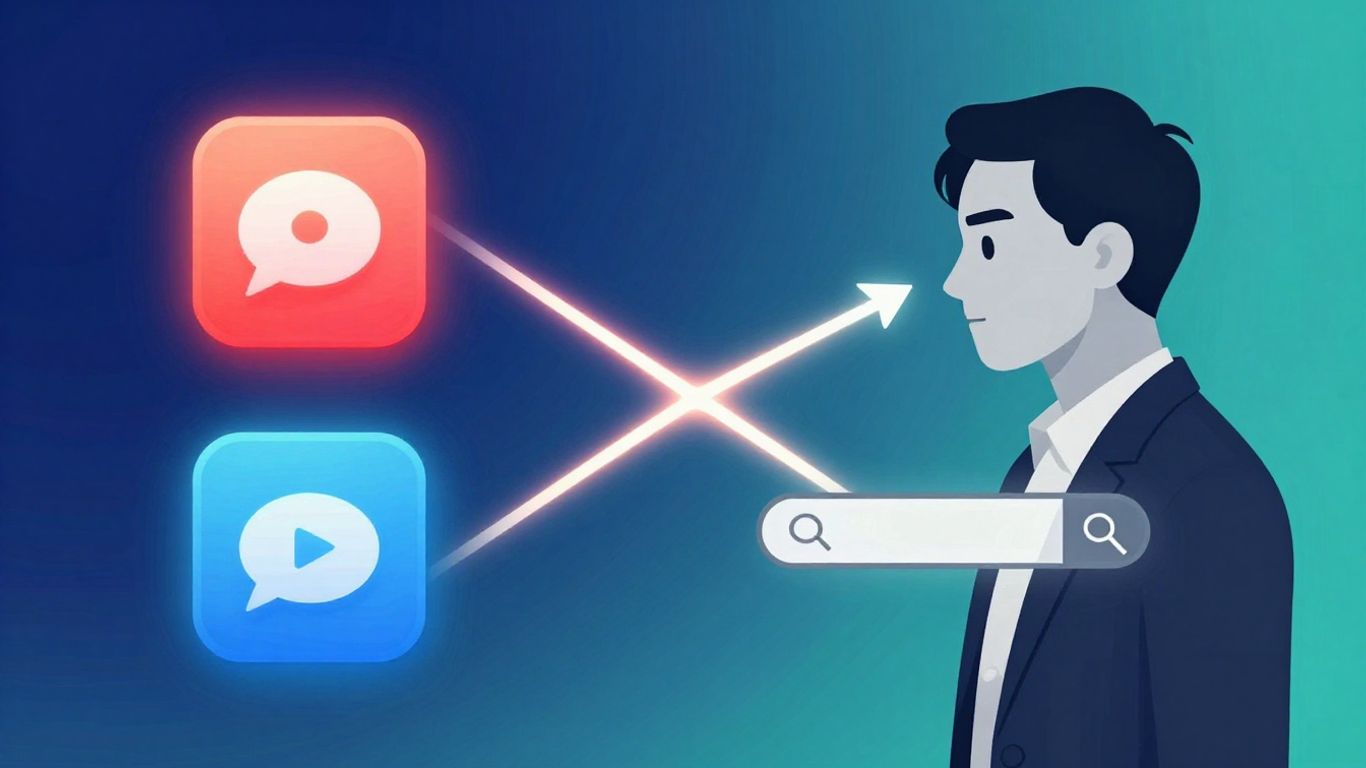
Alright, let's talk about how paid social and organic search can actually work together in 2026. It's not really about picking one over the other anymore. Think of it like this: organic search is your steady friend who builds trust over time, while paid social is the energetic one who can get the word out fast to the right people. When they team up, they can do some pretty cool things for your brand. We're going to look at how these two sides of the digital coin, How Paid Social and Organic Search Support Each Other in 2026, can really boost your results.
Key Takeaways
- Organic search builds trust and community, while paid social offers immediate reach and targeted conversions. Combining them creates a stronger, more complete marketing strategy.
- Use what you learn from organic posts – what people like and interact with – to make your paid ads smarter and more effective.
- A unified approach means your brand message stays the same everywhere, building recognition and making it easier for people to move from just seeing your stuff to actually buying something.
- Track how your paid and organic efforts influence each other to get a real picture of your return on investment. This helps you spend your money more wisely.
- By using keywords and audience data from both paid and organic channels, you can create more resilient campaigns that adapt to how people search and find things online.
Understanding The Synergy Between Paid Social And Organic Search
Bridging The Gap Between Organic Reach And Paid Precision
Think about it: organic social media is like having a friendly chat with your existing friends. You share updates, maybe tell a story, and people who already know and like you can see it. It’s great for building relationships and showing your brand’s personality. But, the problem is, it’s hard to reach new people this way. Algorithms can be tricky, and your message might only get seen by a small slice of your followers.
Paid social, on the other hand, is like renting a billboard in a busy town square. You pay to put your message directly in front of a specific group of people, whether they follow you or not. It’s fast, it’s targeted, and you can get your message out there to a much wider audience. But, if it’s just ads all the time, it can feel a bit impersonal, right?
The real magic happens when you make these two work together. Organic content can test the waters, showing you what kind of messages and topics your audience actually cares about. When you see a post doing really well organically – getting lots of likes, comments, and shares – that’s your cue. You can then take that successful organic content and give it a boost with paid social. This means more people see what’s already proven to work, and you’re not just throwing money at ads hoping for the best.
The Complementary Nature Of Paid And Organic Efforts
It’s easy to think of paid and organic social as separate things, maybe even competing. But they’re really more like teammates. Organic social builds the foundation of trust and community. It’s where you show up consistently, engage in real conversations, and let your brand’s authentic voice shine through. This builds loyalty and makes people feel connected to you.
Paid social then comes in to amplify that connection and drive action. It’s the tool that lets you reach beyond your current followers, targeting specific demographics or interests with tailored messages. For instance, if your organic posts are getting a lot of engagement around a particular product feature, you can use paid ads to specifically target people who have shown interest in similar features, driving them towards a purchase or a sign-up.
Here’s a quick look at how they play different, yet connected, roles:
- Organic: Builds brand awareness, fosters community, establishes trust, allows for content testing.
- Paid: Extends reach, targets specific audiences, drives immediate conversions, amplifies successful content.
Why A Unified Approach Is Essential In 2026
In today’s digital world, people interact with brands across many different touchpoints. They might see an organic post from you on Instagram, then later see a targeted ad for the same product on Facebook, and then search for your brand on Google. If these experiences feel disconnected, it can be confusing and less effective.
A unified strategy means that your organic and paid efforts are aligned. The messaging is consistent, the visuals are recognizable, and the overall brand experience feels cohesive, no matter where someone encounters you. This consistency is key to building strong brand recognition and trust.
Relying on just one channel leaves gaps. Organic alone might not reach enough people, while paid alone might lack the genuine connection that keeps people coming back. A combined approach covers all bases, ensuring you're not only seen but also trusted and acted upon.
By 2026, consumers expect this level of integration. They’re savvier than ever and can spot a disjointed marketing effort from a mile away. A strategy that blends the authentic voice of organic with the precision of paid social is no longer just a good idea; it’s becoming the standard for brands that want to see real, lasting growth and connect meaningfully with their audience.
Leveraging Organic Insights To Amplify Paid Campaigns

Organic As An Insight Engine For Content Testing
Think of your organic social media posts as a free testing ground. Before you put any money behind a piece of content, you can see how it performs naturally. What topics get people talking? What formats get the most reactions? Organic posts give you this data without spending a dime on ads. It’s like a focus group that happens in real-time, every day. You can test different headlines, images, or even calls to action and see what actually connects with your audience. This way, you’re not just guessing what might work; you’re basing your paid strategy on actual audience behavior.
Boosting High-Performing Organic Content
Once you’ve identified content that’s really hitting the mark organically – maybe a post that got a lot of shares or comments – it’s time to give it a boost. Platforms make this easy; you can often just click a button to promote an existing post. This isn't just about getting more eyes on something good; it's about extending its life and reach. Paid social can take that successful organic piece and show it to a much wider, yet still relevant, audience. It’s a smart way to get more mileage out of your best content and drive more meaningful results.
Refining Paid Targeting With Organic Audience Behavior
Your organic audience is a goldmine of information. By looking at who engages with your organic content – their demographics, interests, and even the questions they ask in the comments – you get a clearer picture of who your ideal customer really is. This information is incredibly useful for refining your paid ad targeting. Instead of broad targeting, you can use these organic insights to create more specific audience segments for your paid campaigns. This means your ad spend goes further because you're reaching people who are already showing interest in what you offer. It’s about making your paid efforts smarter by listening to what your organic community is telling you. This feedback loop is key to making sure your paid campaigns are as effective as possible.
The data gathered from organic interactions provides a genuine look at audience preferences. This allows for more precise audience segmentation in paid campaigns, moving beyond assumptions to data-backed decisions. It’s about understanding what truly captures attention before investing ad dollars.
Here’s how you can use organic insights:
- Analyze Comment Sections: Look for recurring questions, pain points, or positive feedback. This can inform ad copy and creative.
- Track Engagement Patterns: See which types of posts (videos, infographics, text-based) perform best and with which audience segments.
- Monitor Share Data: Content that gets shared organically often has broader appeal. Identify these pieces to amplify.
- Review Follower Demographics: Use platform analytics to understand the age, location, and interests of your most engaged organic followers. This is direct audience behavior data.
Driving Conversions And Building Trust Through Integrated Strategies
So, you've got people clicking on your ads and finding your site through search. Great! But what happens next? That's where making your paid social and organic search efforts work together really shines. It's not just about getting eyeballs; it's about turning those eyeballs into actual customers and making sure they feel good about sticking around.
Organic Builds Trust, Paid Brings In The Audience
Think of organic search as your brand's reliable friend. When someone searches for something and finds your website without you paying for that specific click, it feels more natural, right? They're actively looking for what you offer. This builds a solid foundation of trust. People tend to believe information they find through organic search more than a direct ad. Organic content, like blog posts or helpful guides, educates and positions you as an authority. Paid social, on the other hand, is like the energetic party planner. It can quickly get your message in front of a lot of people, even those who might not be actively searching for you at that moment. It's fantastic for introducing new products, running promotions, or reaching specific demographics. When you combine them, organic search draws people in with credibility, and paid social gives you the power to reach them broadly and efficiently.
From Engagement To Conversion: The Integrated Funnel
Here's the real magic: how these two work together to move people from just looking to actually buying. Someone might see your product on Facebook (paid social), get curious, and then search for reviews or more information on Google (organic search). If your organic content is there to answer their questions and build confidence, they're much more likely to click through and convert. It’s like a well-choreographed dance.
- Awareness: Paid social introduces your brand or a specific offer to a wide audience.
- Consideration: Users search for related terms, finding your informative organic content.
- Decision: Your organic content, backed by social proof from paid campaigns, guides them to purchase.
- Loyalty: Consistent messaging across both channels encourages repeat business.
The goal is to make the journey from discovery to purchase as smooth as possible. Every touchpoint should feel connected, reinforcing the value and trustworthiness of your brand.
Maintaining Brand Consistency Across Touchpoints
It's super important that your brand looks and sounds the same, whether someone sees your ad on Instagram or finds your website through a Google search. If your paid ads are bright and flashy, but your website feels dull and outdated, that's a disconnect. People need to feel like they're interacting with the same company. This means:
- Visuals: Use the same logos, color schemes, and general aesthetic.
- Messaging: Keep your brand voice consistent – are you friendly and casual, or more formal and professional?
- Offers: Make sure any promotions mentioned in ads are clearly visible and available on your site.
When everything lines up, it makes your brand look more professional and reliable. This consistency is key to building that lasting trust that turns one-time buyers into loyal customers.
Maximizing ROI With Data-Driven Optimization

Okay, so we've talked about how paid social and organic search can work together. But how do we actually know if it's paying off? That's where getting smart with our data comes in. It's not just about looking at likes or clicks anymore; it's about seeing the whole picture and making sure every dollar we spend, and every piece of content we put out, is actually moving the needle.
Measuring the Blended ROI of Paid and Organic
Figuring out the true return on investment when paid and organic efforts are intertwined can feel a bit tricky at first. You can't just look at one channel in isolation. For instance, if a great organic blog post brings people to your site, and then a targeted paid social ad brings them back to buy, who gets the credit? A good system needs to account for both. We're talking about looking at the total revenue generated versus the combined cost of both paid ads and the resources put into organic content creation and promotion.
Here's a simplified way to think about it:
- Total Revenue: All sales attributed to the customer journey influenced by both paid and organic efforts.
- Total Investment: The sum of your paid social ad spend, plus the cost of creating organic content (time, tools, personnel) and any organic promotion costs.
- Blended ROI: (Total Revenue - Total Investment) / Total Investment * 100%
The goal is to see how the combined strategy performs, not just individual parts.
Utilizing Cross-Channel Keyword Intelligence
Keywords aren't just for organic search anymore. Understanding what terms people are searching for organically can give you a massive advantage in your paid social campaigns, and vice-versa. If you see that certain keywords are driving a lot of organic traffic and engagement, it's a strong signal that your target audience cares about those topics. You can then use this intelligence to:
- Inform Paid Social Ad Copy: Craft ad headlines and descriptions that directly address the search intent you're seeing organically.
- Refine Paid Social Targeting: Build custom audiences based on users who have shown interest in specific keyword themes through their organic searches or website visits.
- Discover New Content Ideas: Identify gaps in your organic content by seeing what people are searching for but you aren't yet covering well.
- Optimize Landing Pages: Ensure the pages you send paid social traffic to are optimized for the keywords your audience is using across all channels.
When you start looking at keyword performance across both paid and organic, you begin to see a more complete map of your audience's interests and needs. This cross-pollination of data helps you speak their language more effectively, no matter where they encounter your brand.
Continuous Optimization Through a Feedback Loop
This isn't a 'set it and forget it' kind of deal. The real magic happens when you create a continuous loop of data analysis, learning, and adjustment. What you learn from your organic efforts should directly inform your paid campaigns, and the performance of your paid ads can highlight areas where your organic strategy might need a boost. It's about constantly testing, measuring, and refining.
Think of it like this:
- Analyze Performance: Regularly review data from both paid social and organic search. Look at what's working and what's not.
- Identify Opportunities: Based on your analysis, pinpoint areas for improvement or new strategies to test.
- Implement Changes: Make adjustments to your paid campaigns (targeting, creative, budget) or organic content (topics, formats, promotion).
- Measure Impact: Track the results of your changes to see if they're moving the needle.
- Repeat: Keep this cycle going. The market changes, user behavior shifts, and your strategy needs to adapt.
By treating your marketing efforts as a dynamic system, you can ensure that you're always getting the most out of your budget and your content.
The Evolving Landscape Of Search And Social Integration
Beyond SERPs: Reinforcing Authority With Dual Presence
It feels like just yesterday we were talking about SEO and paid search as separate things, right? Now, it's pretty clear they're more like two sides of the same coin. When someone searches for something, they're not just looking at the organic results or the ads; they're seeing the whole picture. Having a strong presence in both paid and organic search means you're not just showing up, you're building authority. It tells people, "Hey, we're serious about this, and we're here to stay." This dual presence helps reinforce your brand's message and makes you look more credible, especially when algorithms are always changing.
Adapting To Complex Search Behavior
People don't search the same way they used to. It's not just about typing in a few keywords anymore. They're asking questions, looking for comparisons, and often have a specific intent in mind, whether it's to learn something, compare options, or buy right away. This means we have to think beyond just keywords. We need to understand what someone is really trying to do when they type something into Google. Paid social ads can actually help here by showing us what kind of content people are engaging with, which can give us clues about their search intent. It’s like getting a peek behind the curtain.
Building A Resilient Search Strategy For Long-Term Growth
Trying to rely on just one channel is a risky game. Algorithms change, ad costs go up, and organic reach can fluctuate. That's why a strategy that blends paid and organic search is so important for the long haul. It creates a safety net. If one channel dips, the other can help pick up the slack. Plus, the data you get from paid campaigns can actually make your organic efforts smarter, and vice versa. It’s about building something that can handle whatever the digital world throws at it and keeps growing over time.
- Understand the full customer journey: Map out how people find you, what they look at, and what makes them decide to buy.
- Test and learn constantly: Use data from both paid and organic to see what's working and what's not.
- Be flexible: The digital world moves fast, so your strategy needs to be able to adapt.
The real win comes when your paid ads and organic content work together so smoothly that people don't even notice where one ends and the other begins. They just see a consistent, helpful brand that shows up when and where they need it. This kind of integrated approach builds trust and makes it easier for people to become customers.
Content, Community, And Conversion In A Hybrid Model
Authentic Storytelling In Organic Content
Organic content is where you really get to show your brand's personality. It's not just about pushing products; it's about building a connection. Think about sharing the 'why' behind your brand, the day-to-day grind, or even customer success stories. This kind of realness builds trust and makes people feel like they're part of something bigger. It’s about creating content that feels less like an advertisement and more like a conversation. When people see the human side of your business, they're more likely to stick around and become loyal fans.
Targeted Messaging For Actionable Results
While organic content builds the relationship, paid social is where you can get specific. You've learned what your audience likes from your organic efforts, right? Now, use that knowledge to craft paid ads that speak directly to different segments. If your organic posts about a new feature got a lot of shares, create a paid ad that highlights that feature to people who showed interest but didn't convert. It’s about taking that initial engagement and guiding it towards a specific action, like signing up for a newsletter or making a purchase. This precision ensures your marketing spend is working smarter, not just harder.
Leveraging Influencers And UGC For Amplified Reach
User-generated content (UGC) and influencer collaborations are goldmines for building credibility. People trust recommendations from peers and figures they admire way more than direct brand messages. You can organically share customer photos or influencer reviews, and then use paid social to boost that content to a wider, relevant audience. This isn't just about getting more eyes on your brand; it's about getting those eyes from people who are already primed to trust you because of the social proof. It’s a powerful way to extend your reach authentically and drive real results.
Here’s how to make the most of it:
- Identify Authentic Voices: Look for influencers and customers who genuinely love your brand, not just those with huge followings.
- Integrate UGC into Paid: Don't just repost; use paid ads to amplify the best UGC, targeting specific demographics.
- Track Performance: See which influencer posts or UGC campaigns, when boosted, lead to the most engagement and conversions.
The sweet spot is where genuine connection meets strategic promotion. Organic content builds the foundation of trust and community, while paid social amplifies that message to the right people at the right time, turning engagement into tangible outcomes.
In today's world, businesses need to connect with people, build strong online groups, and also make sales. Our approach helps you do all three, creating a balanced way to grow. Want to see how we can help your business thrive? Visit our website to learn more and get started!
Bringing It All Together
So, what's the takeaway from all this? It's pretty simple, really. Paid social and organic search aren't enemies; they're partners. Organic builds that real connection with people, making them trust you. Paid social then steps in, giving you the speed and reach to get your message out there. When you put them both to work, you get a marketing plan that actually works, bringing in better results without just shouting the loudest. It’s about knowing who you’re talking to, where to find them, and using each tool for what it does best. That's smart marketing for 2026 and beyond.
Frequently Asked Questions
What's the main difference between paid social and organic search?
Think of organic search like finding information for free on Google, where your website shows up naturally. Paid social is like running ads on Facebook or Instagram to show your posts to specific people. Organic search is about being found when people search, while paid social is about actively showing your content to a chosen group.
How can organic search help my paid social ads?
Organic search gives you clues about what people are looking for. If many people search for something related to your business, you can use that information to make your paid social ads more interesting and relevant to them. It's like learning what your audience likes before you spend money to talk to them.
Why is it better to use both paid social and organic search together?
Using both is like having a balanced meal! Organic social builds trust and makes your brand feel real and friendly, but it might not reach everyone. Paid social gets your message out quickly to lots of people you choose. Together, they help more people find you, trust you, and become customers.
Can I use what I learn from paid social ads for my organic search efforts?
Absolutely! Paid social ads show you exactly what messages, pictures, or videos people like the most. You can then use those successful ideas in your free organic posts to make them more engaging. It's a smart way to make sure your content is always hitting the mark.
How do I know if my combined paid and organic strategy is working?
You track how people interact with both. For example, maybe someone sees your organic post, then later clicks on your paid ad. You want to see how these actions work together to get people to buy something or sign up. It’s about looking at the whole journey, not just one piece.
What does 'synergy' mean for paid social and organic search?
Synergy means that when paid social and organic search work together, they create a bigger impact than if they worked alone. It's like 1 + 1 equaling 3! They help each other grow, making your brand more visible, more trusted, and more successful overall.


Comments
Post a Comment