Why Web Design, Marketing, and SEO Must Work Together for Ultimate Online Success

You know, it's easy to think of web design and SEO as separate things. Like, one is about making a website look pretty, and the other is about getting it found on Google. But honestly, that's not how it works anymore. If you want your website to actually do well, these two things, plus marketing, really need to work together. Trying to do them alone is like trying to build a house with only half the tools – you're just not going to get the best result.
Key Takeaways
- Web design and SEO aren't separate jobs; they need to work together for a website to be truly successful online.
- A good user experience, which good design helps create, is something search engines look at for ranking websites.
- Things like how fast a website loads and if it works well on phones are important for both design and SEO.
- Clear website structure and easy navigation help people find what they need and help search engines understand your site.
- When design and SEO work together, they build trust and make it more likely for visitors to become customers.
The Indispensable Partnership Between Web Design and SEO

Why Siloed Efforts Lead to Missed Opportunities
Trying to handle web design and SEO as separate tasks is like trying to build a house without a blueprint or a plan. You might end up with something that looks okay from the outside, but the foundation could be shaky, and the plumbing might not work. When these two areas operate in isolation, you miss out on a ton of potential. A beautiful website that nobody can find through search engines isn't going to bring in business. Likewise, a site that ranks well but is clunky and hard to use will just frustrate visitors, causing them to leave. It's a classic case of two halves not making a whole. The real magic happens when design and optimization work hand-in-hand from the very beginning.
User Experience as a Ranking Factor
Search engines, especially Google, are really smart these days. They don't just look at keywords anymore. They want to show people the best possible results, and that means they pay close attention to how users interact with a website. If people land on your site and immediately bounce back to the search results because it's confusing or slow, search engines notice. This tells them your site isn't a great answer to the user's query. Good web design makes a site easy and pleasant to use, while good SEO makes sure the right people find it. Together, they create a positive user experience that search engines reward.
The Overlapping Nature of Design and Optimization
It might seem like design is all about looks and SEO is all about technical stuff, but there's a huge overlap. Think about website speed. Designers might use large images or complex code that slows things down, which is bad for SEO. But SEO experts know that speed is a ranking factor and also keeps users happy. So, designers need to optimize images and code, and SEO folks need to understand how design choices impact performance. It's the same with site structure. How you organize your pages (design) directly affects how easily search engines can crawl them and how intuitively users can find information (SEO). This interconnectedness means they have to be planned together. Ignoring this connection can lead to hidden costs and operational chaos, impacting everything from customer experience to reliable data for decision-making. Addressing system integration is key for business efficiency and growth. See how system integration works.
Here's a quick look at how they connect:
- Site Speed: Heavy graphics or unoptimized code (design) slow down load times, hurting SEO and user patience.
- Mobile-Friendliness: A design that looks good on desktop but is a mess on mobile alienates a huge chunk of searchers, directly impacting SEO success.
- Content Layout: How text and images are arranged (design) affects readability and how well search engines can understand the content's topic (SEO).
- Navigation: An intuitive menu structure (design) helps users and search engines find pages easily, improving site crawlability and user satisfaction (SEO).
Enhancing User Experience Through Integrated Strategies
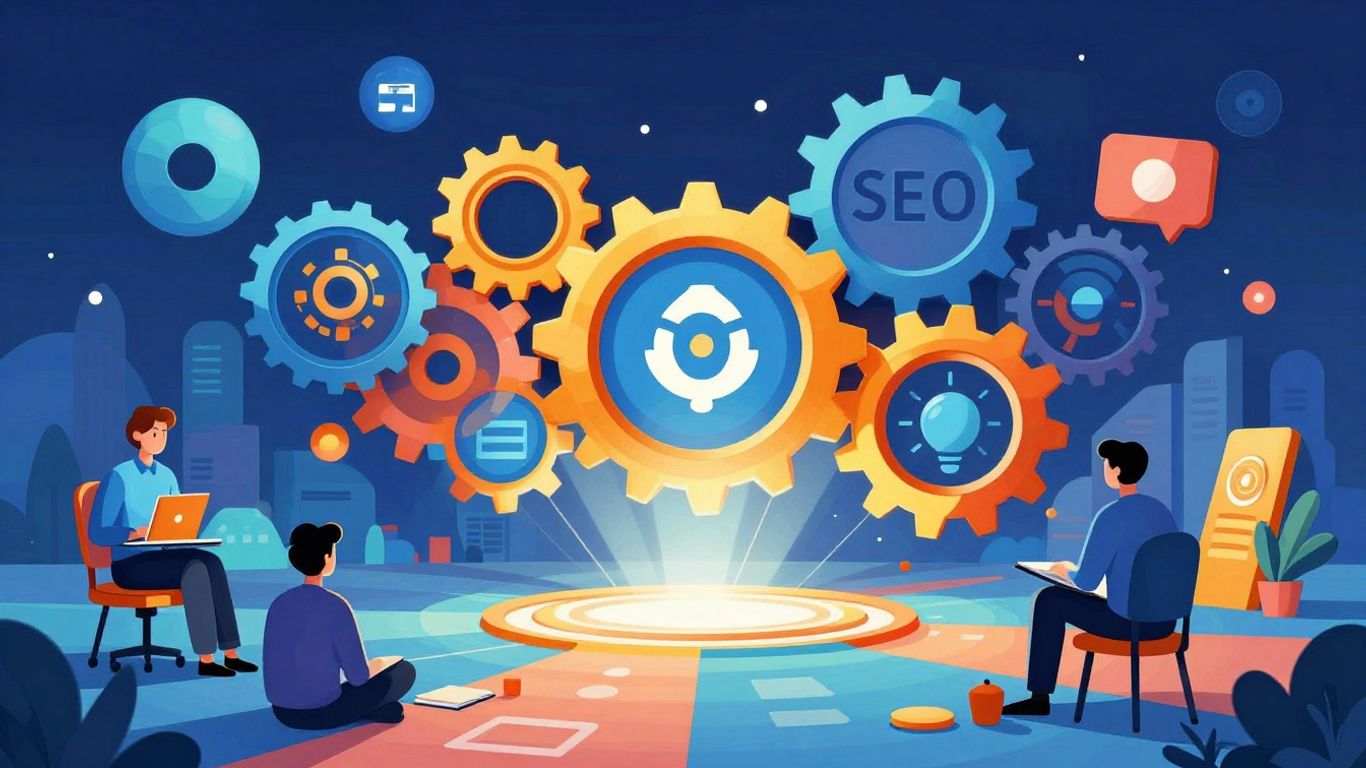
Think about the last time you visited a website that was just plain annoying to use. Maybe the buttons were tiny, or you couldn't find what you were looking for, or it took forever to load. Yeah, not a great feeling. That's where good web design and smart SEO really start to shine, working together to make things smooth for visitors.
Mobile-Friendliness: A Crucial Intersection
It's pretty obvious by now that most people are browsing the web on their phones. If your website looks like a mess on a small screen, people aren't going to stick around, no matter how good your SEO is at getting them there. A responsive design means your site adjusts to fit any screen size, from a giant desktop monitor to a tiny phone. This isn't just about looking good; it's about making sure everyone has a decent experience.
- Responsive Design: Your site automatically adjusts for different screen sizes.
- Touch-Friendly Navigation: Buttons and links are easy to tap.
- Readable Text: Font sizes are appropriate for smaller screens.
When your site works well on mobile, people are more likely to stay, explore, and come back. It's a direct win for keeping visitors engaged.
Improving Load Speed for Better Engagement
Nobody likes waiting. If your pages take ages to load, visitors will just hit the back button and find someone else. Both design choices and SEO practices play a big role here. Things like optimizing images, cleaning up code, and using good hosting can make a huge difference. Faster sites mean happier visitors, and happier visitors are more likely to do what you want them to do, whether that's buying something or signing up for a newsletter.
| Factor | Impact on Load Speed | User Experience Effect |
|---|---|---|
| Image Size | High | Slow loading, frustration |
| Code Bloat | Medium | Slower rendering |
| Server Speed | High | Significant delays |
Creating Intuitive Site Structure and Navigation
Imagine walking into a store where everything is scattered randomly. You'd probably leave pretty quickly, right? Your website is no different. A clear, logical structure helps people find what they need without getting lost. This means organizing your pages in a way that makes sense and having easy-to-use menus. When people can easily move around your site, they're more likely to find the information they're looking for and stay on your site longer.
- Logical Categories: Group related content together.
- Clear Menus: Use straightforward labels for navigation.
- Internal Linking: Connect related pages to guide users.
- Search Functionality: A good search bar helps users find specific items.
Driving Conversions and Business Growth Together
Attracting Qualified Leads with SEO
Think of SEO as your website's personal tour guide, but for search engines. Its main job is to make sure the right people find your site when they're looking for what you offer. It's not just about getting any traffic; it's about getting relevant traffic. By figuring out what terms people actually type into Google or Bing when they need your product or service, and then using those terms smartly on your site, SEO helps you show up when it counts. This means the visitors landing on your page are already interested, making them much more likely to become customers.
Guiding Visitors with Effective Web Design
Once SEO brings people to your digital doorstep, it's up to the web design to make them feel welcome and show them around. A good design makes it easy for visitors to find what they're looking for, understand your message, and take the next step. This could be anything from clicking a "buy now" button to filling out a contact form. If your site looks messy, is hard to use, or doesn't clearly explain what you do, people will leave, no matter how good your SEO is. The design needs to build trust and make the desired action feel simple and obvious.
The Synergy for Measurable Business Outcomes
When SEO and web design work hand-in-hand, the results are more than just pretty pages and higher rankings. They translate directly into business growth. SEO brings in the potential customers, and good design turns those potentials into actual customers. This partnership means you're not just getting visitors; you're getting leads that convert and sales that grow your bottom line. It's about creating a website that doesn't just exist, but actively works to achieve your business goals.
Here's how this partnership pays off:
- Increased Lead Quality: SEO targets specific keywords, attracting users with clear intent.
- Higher Conversion Rates: Intuitive design guides users smoothly towards desired actions.
- Improved Customer Retention: A positive user experience encourages repeat visits and loyalty.
- Better Return on Investment: Optimized sites generate more business value from marketing spend.
The ultimate goal is to create a digital experience where potential customers can easily find you, understand your value, and feel confident taking the next step, leading to tangible business results. This integrated approach turns a website from a simple online brochure into a powerful sales engine.
Content Presentation and Discoverability
Optimizing Content for Search Engines
Search engines, and increasingly AI models, need to understand what your content is about. This isn't just about stuffing keywords in anymore. It's about making your content clear and structured so machines can interpret it correctly. Think about using semantic HTML, which gives meaning to your page structure. Headings (like H1, H2, H3) create a hierarchy, and links show relationships. Using a single H1 per page is a good start, and writing descriptive anchor text, like "learn about painting a fence" instead of just "click here," makes a big difference. Schema markup, which is structured data, also helps a lot. It tells search engines explicitly what your content represents, like if it's an article, a product, or an FAQ. This can even qualify you for those fancy rich results you see in search, like star ratings or direct answers. Getting this right means your content is more machine-readable, which is super important for AI systems that are now summarizing and answering questions based on web content. A website redesign should prioritize SEO strategy over visual design to ensure discoverability and business growth. Starting with SEO helps align site structure, content, and navigation with user search intent from the outset.
Designing for Readability and Engagement
Once search engines can find your content, you need people to actually read and engage with it. This is where design plays a huge role. People scan web pages, they don't read them word-for-word like a book. So, breaking up text with short paragraphs, using plenty of white space, and incorporating lists or bullet points makes a huge difference. Aiming for a reading level around 8th grade is generally a good target for broad appeal. Also, think about accessibility. Things like proper color contrast (at least 4.5:1), text that's easy to read, and ARIA labels for screen readers don't just help disabled users; they make the site better for everyone. Search engines notice when a site is easy to use, and they tend to reward that. It’s a win-win.
Ensuring Content Fits Seamlessly into Page Layouts
This is where the web design and SEO teams really need to be in sync. SEO folks figure out what content needs to be there and how it should be structured for search engines. Web designers then figure out how to present that content in a way that looks good and loads fast. If these two aren't talking, you can end up with content that feels crammed in, or a design that hides important SEO elements. For example, designers might compress images or optimize code to make pages load faster. SEOs need to know this so they can create content that fits well within those optimized pages. A well-structured sitemap, which shows how all your pages connect, is a great indicator of how well these teams are working together. If it looks like a jumbled mess, your site probably feels that way to visitors and search engines too. A clear sitemap, born from aligned design and SEO efforts, makes it easy for everyone to find their way around.
Making sure your content is both discoverable by search engines and engaging for human readers requires a thoughtful approach. It's about finding that sweet spot where technical optimization meets user-friendly presentation. This balance is key to keeping visitors on your site and encouraging them to take the next step.
Building Trust and Brand Credibility Online
Your website is often the very first handshake a potential customer has with your brand. It’s where they form an initial opinion, and frankly, it needs to be a good one. A website that looks dated, is hard to use, or just feels off can send people running for the hills, no matter how great your actual product or service is. This is where design and SEO really team up to build something solid.
The First Impression: Design and Functionality
Think about it. When you land on a site, what’s the first thing you notice? It’s the look and feel, right? A clean, professional design signals that you take your business seriously. But it’s not just about pretty pictures. Functionality is huge. If buttons don’t work, links are broken, or the site is a maze to get around, that initial impression crumbles fast. People expect things to just work smoothly. A well-designed site that’s easy to use makes visitors feel comfortable and confident that they’re dealing with a legitimate operation.
SEO's Role in Brand Visibility
Even the most beautiful, functional website is useless if no one can find it. That’s SEO’s job. By making sure your site shows up when people search for what you offer, SEO puts your brand in front of the right eyes. It’s like having a prime spot in a busy shopping mall versus a hidden alleyway. Showing up consistently on the first page of search results for relevant terms tells people you’re a serious player in your field. It builds a kind of passive credibility just by being present and visible where people are actively looking.
Creating a Trustworthy Online Presence
Putting it all together, a site that looks good, works well, and is easily discoverable through search engines creates a powerful sense of trust. When users have a positive experience from the moment they land on your site, and they can easily find the information they need, they’re much more likely to believe in your brand. This combined effort helps establish your company as a reliable and authoritative source in your industry. It’s not just about making a sale; it’s about building a relationship based on confidence and reliability.
Here’s what goes into building that trust:
- Professional Aesthetics: A modern, clean design that reflects your brand's identity.
- User-Friendly Navigation: Making it simple for visitors to find what they need without frustration.
- Clear Calls to Action: Guiding users on what to do next without being pushy.
- Fast Load Times: Showing respect for the user's time and avoiding impatience.
- Secure Connections (HTTPS): Protecting user data and signaling a safe browsing environment.
- High-Quality Content: Providing accurate, helpful information that answers user questions.
Building trust isn't a one-time task; it's an ongoing process. Every interaction a user has with your website, from their initial search to their final click, contributes to their overall perception of your brand's reliability and legitimacy. A strong foundation in both design and SEO makes this process much smoother and more effective.
Future-Proofing Your Online Presence
Things change fast online, right? What works today might be old news tomorrow. That's why thinking ahead is super important for your website. It’s not just about looking good now; it’s about making sure your site stays relevant and keeps bringing in visitors and customers down the road. This means keeping an eye on new tech and how people search.
Adapting to Evolving Search Technologies
Search engines are always getting smarter. They’re not just looking at keywords anymore. Things like how users interact with your site, the quality of your content, and even how secure your site is play a bigger role. We need to build sites that are easy for search engines to understand and crawl. This includes having a clear site structure and making sure your pages load quickly. Technical SEO mistakes can really hurt your site's visibility, so it's worth paying attention to details like robots.txt files and sitemaps.
The Role of AI in Design and SEO
AI is changing how people find things online. Instead of typing keywords, people are asking AI assistants questions. This means we need to make our content clear, factual, and easy for AI to understand. Think about structuring your content with headings, short paragraphs, and using things like FAQ schema. Building topical authority, where you group related content, also helps AI see your site as an expert. It’s less about tricking search engines and more about being genuinely helpful and well-organized.
Staying Ahead in a Competitive Digital Landscape
To keep your website successful, you have to keep up. This means regularly checking how your site performs and making adjustments. It’s a good idea to look at things like:
- Mobile-friendliness: Is your site easy to use on phones and tablets?
- Page speed: Does your site load fast enough to keep people from leaving?
- Accessibility: Can everyone, including people with disabilities, use your site?
- Content freshness: Is your information up-to-date and relevant?
The digital world doesn't stand still. Websites that are built with future changes in mind, focusing on user experience and clear information, are the ones that will last. It’s about building a solid foundation that can adapt as technology and user habits shift.
By focusing on these areas, you're not just building a website; you're building a digital asset that can grow with your business and continue to perform well, no matter what new trends emerge.
Make sure your online space is ready for what's next! We help you build a strong web presence that stays relevant. Want to learn how to keep your website ahead of the curve? Visit our site today to discover the secrets to a future-proof online presence.
Putting It All Together
So, we've talked a lot about how web design and SEO really need to be buddies. It’s not enough to just have a pretty website that nobody can find, right? And having a site that ranks high but looks like it’s from the early 2000s isn't going to cut it either. Think of it like building a house. You need a solid foundation and a good layout (that's SEO), but you also want it to look good and be easy to live in (that's design). When these two work together, from the very start, you end up with something that not only gets noticed but also keeps people happy and coming back. It’s the only real way to make sure your website does what it’s supposed to do – help your business grow online.
Frequently Asked Questions
Why should web design and SEO work together?
Think of it like building a cool treehouse. Web design makes it look awesome and fun to be in, while SEO makes sure people can actually find it! If your treehouse looks amazing but no one knows where it is, what's the point? And if lots of people know how to get there but the treehouse is confusing and hard to use, they won't stay long. When design and SEO team up, your website is both easy to find and great to explore, leading to more visitors and happy customers.
How does design affect search engine rankings?
Search engines like Google want people to have a good time online. So, they look at how easy a website is to use, if it works well on phones, and how fast it loads. A well-designed website that's simple to navigate and looks good on any device helps people stay longer. This tells search engines, 'Hey, this site is great!' and helps it rank higher.
What's the deal with mobile-friendliness?
Most people use their phones to search for things these days. If your website looks clunky or is hard to use on a small screen, people will leave right away. Good web design makes sure your site looks and works perfectly on phones, and SEO helps make sure it's found easily by people searching on their phones. It's like having a store that's easy to get to and easy to walk around in, no matter how you arrived.
How does website speed matter for both design and SEO?
Nobody likes waiting for a website to load! Slow websites make people impatient, and they often click away. Web designers can make websites faster by using smart techniques like compressing images. SEO experts also care about speed because search engines see slow sites as less helpful. So, when designers and SEO folks work together, they make sure your site loads super fast, keeping visitors happy and search engines impressed.
Can good design help people buy things on my website?
Absolutely! SEO can bring lots of interested people to your website, but great web design is what guides them. Clear buttons, easy-to-understand information, and a smooth process make it simple for visitors to do what you want them to do, like buying a product or signing up for something. When SEO brings the right people and design helps them take action, your business grows!
What's the future of web design and SEO?
The online world is always changing! Things like smart computers (AI) are becoming more important, and people are using their voices to search more often. Websites that combine cool, up-to-date design with smart SEO strategies will be the ones that stand out. It's all about making sure your website is ready for whatever comes next, so it keeps attracting visitors and helping your business succeed.


Comments
Post a Comment